
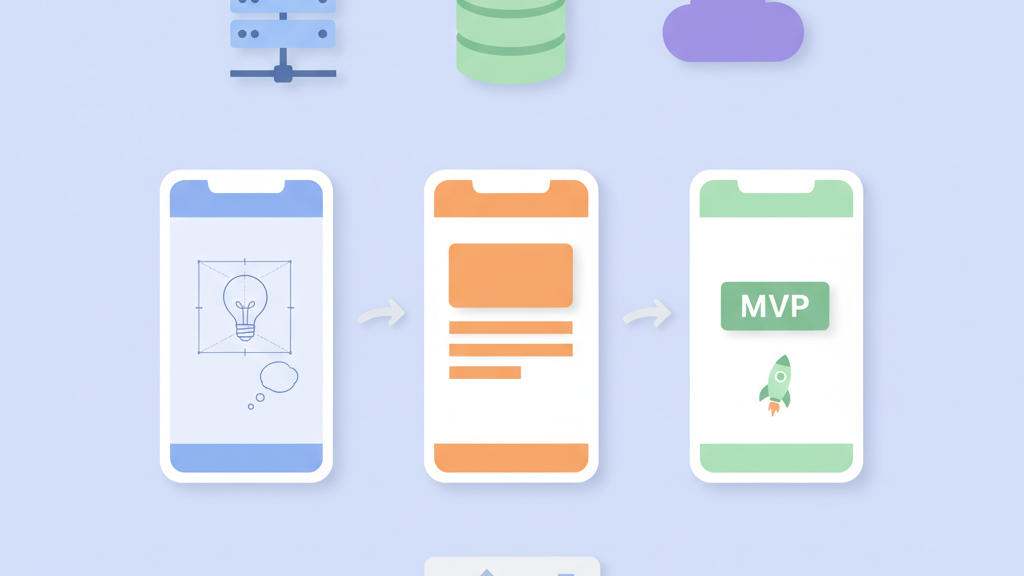
This post walks founders through realistic MVP cost estimates for tech founders USA and explains where the money goes. The goal is to replace vague guesses with clear ranges and simple rules of thumb. I write from hands on experience with startups and clients, so expect practical warnings and direct trade offs. Many startups miss hidden fees and long build cycles, so this guide flags the usual traps. Use it to shape your pitch decks, set milestones, and talk to vendors with a sharper eye. I will cover drivers of cost, sample ranges for common app types, how to scope an MVP, and ways to test without overspending. Expect a few blunt opinions about hiring and tools, and some tactical steps you can take this week. If you want a related deep dive, read How To Budget An MVP For Early Teams (enterprise app MVP pricing for small businesses USA).
Why Realistic Estimates Matter
Getting an MVP wrong starts with bad numbers. Founders often underprice the build to win a pitch or to seem lean. That hurts product focus and hiring later. A realistic estimate builds trust with investors and gives your team a plan you can work with. It also forces choices about scope, quality, and timeline. When you accept a real estimate you also accept trade offs like fewer features or a longer launch window. Many teams think they can cut corners on backend work but then face maintenance debt and outages. My opinion is that accuracy beats optimism when you are selling an idea to stakeholders. This section explains why honest numbers matter and how they change decisions about product design, vendor selection, and launch sequencing. For a practical follow-up, see How to Plan Your MVP: Cost, Timeline, and Budgeting in the USA.
- Set expectations with investors early
- Use estimates to prioritize features
- Avoid technical debt by planning core infrastructure
What Drives MVP Cost
Costs come from a few predictable sources. Design effort matters for user facing products, while backend complexity grows costs fast for real time or data heavy apps. Integrations with third party services add work and often surprise you with setup and testing time. Team composition is another big factor, because senior engineers cost more but move faster and make fewer rework cycles. Hosting and infrastructure are small at first but rise with scale. Testing and QA are often under budgeted which creates longer cycles. Many startups miss the time needed for customer feedback loops and iterations, and they pay in rework. Understanding these drivers helps you turn a vague budget into a set of trade offs that align to your product goals. If you need implementation support, explore Backend API development.
- Design complexity increases front end cost
- Backend scale and integrations add hidden work
- Senior hires reduce rework but cost more
Typical Cost Ranges For Common MVPs
Benchmarks help but do not replace scoping. For a simple single platform app with standard auth and a few screens expect low five figure budgets if you use freelancers and template design. A polished cross platform consumer app with custom UI and analytics lands in the mid to high five figures. Marketplaces and apps that require payments, matching, or real time features push you into six figures. Enterprise grade MVPs with compliance needs and heavy integration are heavier still. These ranges vary by region and hiring model. Many founders focus only on build cost and forget product management, legal, and initial marketing budgets. My view is that using a conservative buffer of twenty five to thirty percent for unknowns is smart and realistic. Teams moving from strategy to execution can review FlutterFlow development.
- Simple consumer app. Low five figures
- Polished cross platform app. Mid to high five figures
- Marketplace or real time app. Start six figures
How To Get Accurate Estimates Fast
A short discovery saves time and money later. Start with a one week scoping sprint to define user flows and must have features. Break the product into core, nice to have, and future layers. Get three bids from different providers and compare what they include line by line. Use time boxed prototypes to validate hard assumptions before full build. Keep estimates honest by asking for hourly rates, role mix, and testing plans. Many founders accept low bids without checking assumptions and then face delays. My advice is to use a lightly detailed spec and fix a price for the first milestone. That reduces risk and gives you leverage to change scope after real user feedback.
- Run a one week scoping sprint first
- Request three detailed bids for comparison
- Fix price for the first milestone
Build Versus Buy Decisions
Choosing to build or buy is a cost and speed trade off. Off the shelf services speed launch and reduce initial cost, but they can limit differentiation. Custom builds let you own key flows but they increase time and long term maintenance. Think about which parts of the product are core IP and which are commodity. Using managed services for payments, auth, and analytics is often the best choice early on. Many founders want to custom build everything to look unique and then struggle with slower iteration. A pragmatic strategy is to buy the plumbing and build the experience that matters. This approach keeps budgets tighter and lets you test market fit before committing to large engineering costs. A related guide worth reviewing is Uncovering the Untold Tactics: Navigating MVP Iteration for Product-Market Fit.
- Buy commodity components to save time
- Build unique experiences that drive retention
- Revisit buy versus build after product market fit
Common Pitfalls And How To Avoid Them
The usual mistakes are predictable. Teams underbudget for QA and integration testing, they omit support costs, and they forget ongoing hosting and monitoring. Vague specs lead to scope creep and surprise invoices. Many startups also under invest in product management which increases iteration cycles. A simple way to avoid these pitfalls is to add a contingency buffer and to require clear acceptance criteria for each milestone. Watch for optimistic timelines from hungry vendors, and do a reference check before you hire. My practical warning is that cheap early builds often cost more in the next phase. Plan for maintenance and early scale to reduce future surprises.
- Add a contingency buffer to every quote
- Define clear acceptance criteria for milestones
- Check vendor references before hiring