
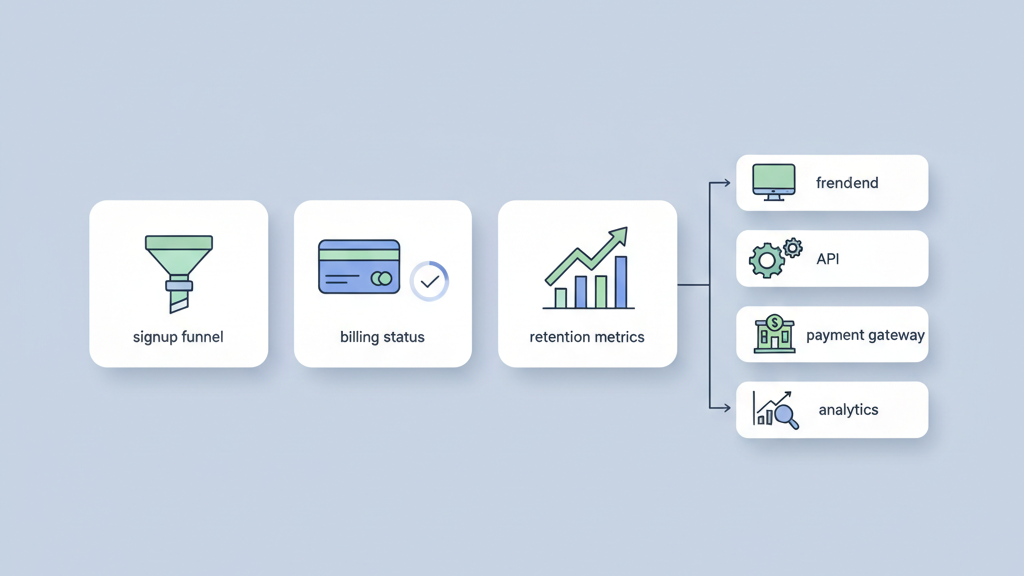
MVP cost analysis for subscription based startups USA is a practical exercise for founders and product managers who need to protect runway and test product market fit quickly. This piece explains how to turn unknowns into a simple cost model that ties features to subscription metrics. You will learn what to budget for billing, trials, integrations, and early growth experiments. The goal is a tight plan that informs tradeoffs and supports investor conversations. Many startups miss early billing complexity and that creates costly delays. This intro will help you build a realistic first estimate, avoid common pitfalls, and set milestones that link spend to measurable outcomes. If you want a related deep dive, read How to Plan Your MVP: Cost, Timeline, and Budgeting in the USA.
Why Cost Analysis Matters
Founders often start with a vague price tag and hope for the best, but precise early analysis changes outcomes. A focused cost study clarifies what must be built now and what can wait until validation. It forces you to map features to subscription metrics like conversion and churn so you can prioritize engineering work that moves revenue. This reduces wasted polish and helps you avoid common timing mistakes. A good model also highlights external costs such as payment processors, taxes, and legal work that are easy to forget. Use this work to align the team and investors on realistic milestones. Many startups miss this and run out of runway before they learn what customers will actually pay for. If you need implementation support, explore MVP development for startups.
- Map features to revenue metrics
- Separate must have from nice to have
- Include third party service fees
- Use estimates that tie to milestones
Breaking Down Development Costs
Start by splitting work into core product engineering, integrations, and operational tooling. Core work covers authentication, billing logic, subscription management, and a minimal dashboard. Integrations include payment gateways, tax calculations, and email providers. Operational tooling covers monitoring, analytics, and support flows. Design and onboarding deserve attention but keep them lean and focused on conversion. Estimate hours for each area and apply realistic rates for in house engineers or contractors. Also include testing and QA time that affects revenue flows. Many teams under budget QA around billing and then face refunds and churn. Be explicit about where extra testing is required and build small buffers into cost estimates so you do not lose time when issues appear. For a practical follow-up, see How To Budget An MVP For Early Teams (enterprise app MVP pricing for small businesses USA).
- List core features first
- Estimate hours per feature
- Add third party integration fees
- Budget QA for billing flows
Customer Acquisition And Pricing Impacts
Your go to market plan changes technical scope and therefore costs. Paid acquisition needs reliable tracking, landing pages, and A B testing capabilities. Organic channels need content and longer term measurement dashboards. Pricing architecture also affects scope because tiered plans and metering require additional billing logic and reporting. Free trials need onboarding and usage caps that are not trivial to implement. Test simple price points and offer types before you build complex billing systems. That will save engineering time and reduce rework. I prefer validating price with small experiments because pricing is often the biggest lever for subscription health, and it is cheaper to test price than to rebuild billing months later.
- Align tech scope with acquisition strategy
- Test price points before complex billing
- Prioritize onboarding for trials
- Track metrics that justify features
Technology Choices And Tradeoffs
Pick a stack that balances speed to market and known scaling costs. No code and managed services get you live faster but they can add variable costs that grow with usage. Custom development offers more control and lower marginal unit costs, but it requires more initial time and engineering skill. For subscription startups in the USA payment and tax integration complexity is non trivial, so prefer libraries or services that reduce compliance risk. Forecast costs over two years and include migration costs if you outgrow a managed platform. Many founders favor opinionated stacks to shorten decisions, and that often helps, but be wary of lock in that creates expensive rewrites later. Plan for simple observability so you can spot revenue leaks quickly. Teams moving from strategy to execution can review FlutterFlow development.
- Choose stack for speed and scale
- Use proven payment integrations
- Forecast two year costs
- Avoid early lock in
Budgeting Timeline And Milestones
Convert estimates into a roadmap that links spend to measurable milestones like signups, trial to paid conversion, and reduced churn. Assign budget to experiments that prove pricing and onboarding. Build a runway model with several growth scenarios and show how long you last at current burn. Add contingency for regulatory reviews, support spikes, and unplanned tech debt. Set monthly reviews so you can reallocate funds when experiments succeed or fail. Founders should be ruthless about deprioritizing non revenue features. A practical warning, do not confuse polish with value early on. Include performance targets for initial cohorts and set budget triggers for hiring customer support and ops so you do not overspend before product market fit. A related guide worth reviewing is B2B Onboarding Software MVP Product Market Fit Steps That Actually Work.
- Link features to measurable milestones
- Model runway under multiple scenarios
- Include contingency for compliance
- Review budget monthly and reallocate