
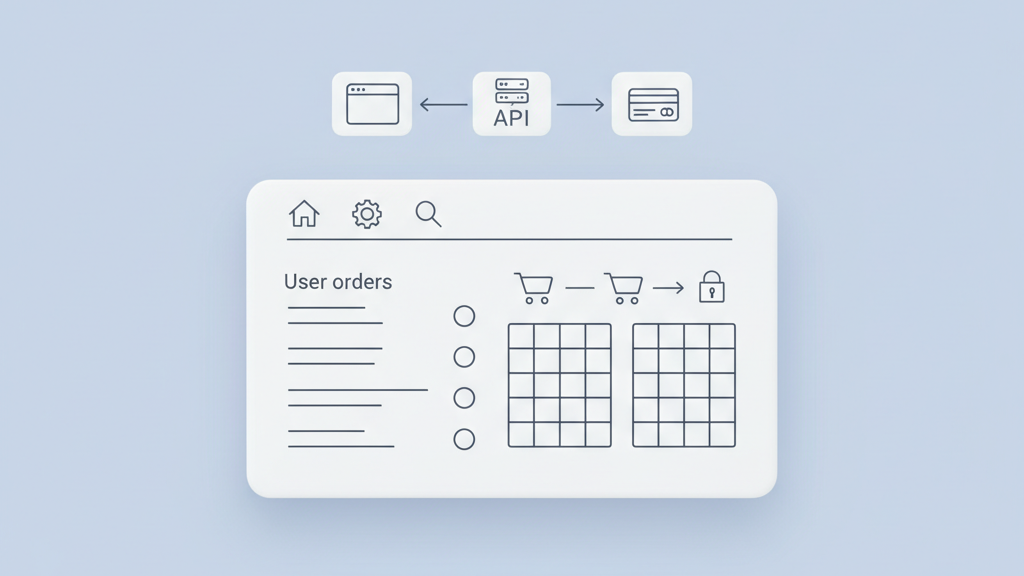
This post explains how to plan a viable mobile store fast using FlutterFlow eCommerce app MVP architecture and tech decision service. Founders will get concrete options for architecture, backend, and integrations. I will point out common traps and practical trade offs that affect speed to market and cost. Many startups miss this and spend months on the wrong stack. Expect clear recommendations, warnings about vendor lock in, and a simple checklist you can use in the next planning session. If you want a related deep dive, read Why Startups Need a FlutterFlow Blockchain App MVP Architecture and Tech Stack Decision Service.
Why FlutterFlow Makes Sense For Early Stores
FlutterFlow is often a strong choice when time and iteration matter. The visual builder speeds up UI work and lets product teams prototype flows without waiting weeks for native engineers. For an MVP that needs user testing, this can be decisive. You trade some low level control for speed. That trade off is fine when your goal is to validate core product market fit rather than build the final production platform. Many startups miss the limits here and try to bend the tool into shapes it was not built for. A clear scope and a plan to export or rework parts later will save time and money. In my view it is better to accept a few constraints early than to delay feedback while engineering everything from scratch. For a practical follow-up, see Uncovering the Untold Tactics: Navigating MVP Iteration for Product-Market Fit.
- Prioritize flows you need to test with real users
- Accept some UI constraints for faster delivery
- Plan export or rewrite points from the start
- Avoid complex native features in the first release
Core Architecture Patterns For A FlutterFlow Store
A pragmatic architecture separates the UI, the API layer, and the data store. Use FlutterFlow for the UI and a headless backend for business logic. Common setups include managed backend services or simple serverless functions that handle catalog queries, cart logic, and order processing. This pattern keeps the frontend light and lets teams swap the backend if needed. For state management prefer simple local models and remote synchronization to keep the UI responsive. Test edges like cart merging and order retries early. My experience is that simple, observable patterns scale further than clever in memory hacks. Startups should choose predictable patterns that other engineers can pick up later when the product grows. If you need implementation support, explore Backend API development.
- Use a headless backend for business rules
- Keep frontend stateless where possible
- Design APIs for idempotent order calls
- Model cart and user data for sync and conflict resolution
Data Modeling And Backend Choices For Fast Iteration
Data modeling is a subtle but crucial part of MVP success. Start with a simple product model that covers SKU, price, inventory, and variants. Keep user profile and order schemas minimal. Choose a backend that supports schema changes and quick migrations. Managed databases and serverless functions reduce ops work and cut time to market. If you need full control pick a relational store with clear migration paths. If you want agility choose a document store with validation rules. Many founders prefer managed services to avoid early maintenance. That is often sensible. But remember that early data shape decisions affect reporting and integrations later. Plan for export and keep raw audit logs for order histories. A related guide worth reviewing is B2B Onboarding Software MVP Product Market Fit Steps That Actually Work.
- Design simple product and order schemas first
- Pick a backend that supports fast schema changes
- Log events for later analysis
- Avoid over normalizing data for the MVP
Integrations Payments And Security Basics
Payment integration and security are non negotiable. Use well known payment processors to reduce fraud risk and speed certification. Implement payment flows that keep sensitive data off your servers. Tokenization and hosted payment pages remove liability and accelerate compliance. Secure user auth with established providers and enforce strong password or MFA options where possible. Many teams forget to plan for chargebacks and refunds early. Build simple administrative tools to process disputes and view order events. Also test how webhooks are handled by your backend and add retries. These steps cost little time up front and avoid big headaches later when real money is moving through the product.
- Use established payment processors
- Keep payment data off your servers
- Plan for refunds and chargebacks
- Add webhook retry and auditing logic
Performance Caching And Offline Support For Better UX
Performance can make or break conversions on mobile. Cache product lists and images aggressively to reduce perceived load. Use progressive loading for images and skeleton screens for lists to keep users engaged. Consider local caching for cart state so users can continue if the network drops. Offline support can be a strong differentiator for some markets. Measure network behavior early and add simple thresholds for when to show offline UI. Do not over engineer this in the first week of work. Start with sensible defaults and monitor real user metrics. Many teams underinvest in performance until growth forces them to act. Do the basics now and optimize based on actual problems rather than assumptions. Teams moving from strategy to execution can review Mobile app development.
- Cache product lists and images
- Use skeleton screens for perceived speed
- Persist cart locally for offline resilience
- Measure and iterate on real user metrics
Team Roles Timelines And The Build Process
Successful MVPs are as much about process as they are about tech. Define clear responsibilities for product, design, and engineering. In a visual builder setup keep designers and product managers close to the UI work. Set short sprints with user testing milestones and acceptance criteria for each flow. Automate builds and deployments to lower friction for releases. Have a rollback plan and a staging environment for checkout testing. Timelines should factor in QA and payment compliance tasks. My recommendation is to plan three to six week cycles with a demo at the end of each cycle. That keeps stakeholders aligned and provides real feedback without long delays.
- Define roles and responsibilities early
- Use short sprints with user testing milestones
- Automate builds and staging deployments
- Include payment compliance and QA in timelines
How A Tech Decision Service Can Help You Move Faster
A focused tech decision service helps teams avoid common traps and pick pragmatic options. The service should run a short discovery, map core flows, and recommend an architecture that balances speed and flexibility. Deliverables usually include a decision log, a prioritized backlog, and a migration plan if export becomes necessary. This is practical work not advisory fluff. I think startups benefit most from concrete artifacts they can act on the next week. If you are not sure about trade offs hire a short engagement to validate architecture assumptions. Many founders save months and avoid costly rewrites by doing this early.
- Run a rapid discovery to map core flows
- Produce a decision log and migration plan
- Prioritize backlog items for the MVP
- Book a short engagement to validate assumptions