
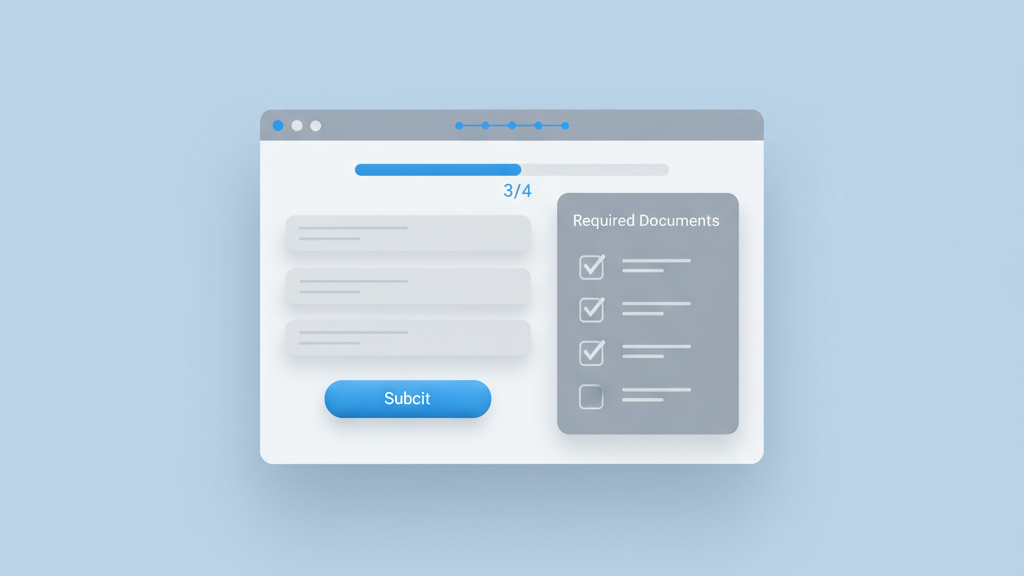
Starting a new platform is a major challenge for any founder. You need to get sellers on board before you can attract buyers. This process often breaks early on because the flow is too complex. A B2B marketplace startup app MVP for vendor onboarding should focus on the bare essentials. Many founders try to automate everything at once. This is a mistake. You should focus on a clean flow that captures critical data without overwhelming the user. In the early days, speed and clarity matter more than advanced automation. If a vendor finds the process too difficult, they will leave your platform before they ever list a product. You need to provide a smooth path that builds trust and demonstrates professional value from the very first screen. If you need implementation support, explore FlutterFlow development.
Prioritizing the Core Vendor Experience
Vendor onboarding is the most critical hurdle for any two sided platform. If you cannot get sellers into the system, your marketplace has no value. Many founders think they need a massive feature set to compete. This is not true. In the early stages, your goal is to reduce the time it takes for a business to go from interest to active. You should look at every form field and ask if it is truly necessary today. If you can ask for a tax ID later, do not ask for it on the first screen. Friction kills conversion rates. This is especially true in the B2B space where users are doing this during their work hours. They want to finish the task and get back to their business. A clean B2B marketplace startup app MVP for vendor onboarding prioritizes clarity. You should guide the user through a logical sequence of steps. Each step should feel manageable. If you overwhelm them with a twenty field form on page one, they will leave. Many startups miss this simple reality. They build for the final version of the product instead of building for the current user. Focus on getting the basic company information and contact details first. You can always build out the rest of the profile once the relationship is established. This approach allows you to iterate faster based on real feedback. You will learn what your vendors actually care about. Sometimes they might struggle with a specific document upload. Other times they might not have their banking info ready. By keeping the MVP simple, you can adjust your flow without rebuilding the entire system. This lean approach saves development time and keeps your team focused on growth. If you want a related deep dive, read B2B Onboarding Software MVP Product Market Fit Steps That Actually Work.
Essential Features for Your First Launch
The features you choose for your first release will define your initial growth. You do not need a full suite of analytical tools or advanced marketing features yet. Instead, focus on the mechanics of the transaction. The vendor must be able to describe what they sell and how they get paid. This sounds basic, but many teams overcomplicate it. You need a reliable way to collect business documentation. This is important for compliance and trust. Without proper vetting, your marketplace might attract low quality or fraudulent sellers. This would ruin your reputation before you even start. An MVP should also include a basic communication channel. Vendors will have questions, and you need to answer them quickly. A simple notification system is also vital. Vendors need to know when their profile is approved or if they have a new order. This creates a sense of engagement. Many startups miss this by focusing only on the buyer side. If the vendor feels ignored, they will not keep their inventory updated. Your initial platform must serve both sides of the coin. A simple dashboard that shows the status of their application is often enough to keep them interested. It provides a clear signal that progress is being made. You should also provide a way for them to edit their profile later. This prevents your support team from being flooded with manual change requests. Here are some core features to include in your initial build. Teams moving from strategy to execution can review Software maintenance and scaling.
- Simple registration and login for business users
- Secure business document upload portal
- Basic product catalog management system
- Profile verification status tracker for users
- Simple messaging interface for administrator contact
- Basic vendor dashboard with order alerts
Managing Data Validation and Security
Data security is a major concern for B2B users. These are not individual consumers. They are companies with legal responsibilities and reputations to protect. You must demonstrate that your platform is a safe place for their business data. This means using industry standard encryption and secure hosting. Even in an MVP, you cannot cut corners on privacy. You should be clear about how you use their data. A simple privacy policy is a good start. You also need to think about how you handle sensitive files like tax forms or business licenses. These should not be stored in a public folder. Use secure cloud storage with restricted access. Another important factor is data validation. If a vendor enters a wrong email or a fake tax ID, it can cause major issues later. Your system should check for basic errors in real time. This prevents dirty data from entering your database. It also helps the vendor fix mistakes before they submit their application. Many startups miss this and end up spending hours fixing data manually. By adding simple validation logic, you save yourself and your users a lot of headache. This builds trust early on. When a vendor sees that your system is professional and secure, they are more likely to commit to your platform. They will see you as a serious partner rather than just another experiment. Secure systems are the foundation of any successful B2B relationship.
Technical Foundations for Scaling
Your technical architecture must be modular. Even though this is an MVP, you should not build a giant block of code that cannot be changed. The onboarding flow will likely evolve as you learn more about your market. You might find that specific industries have different requirements. For example, a medical marketplace needs different documents than a construction marketplace. If your code is modular, you can add or remove steps easily. You should also think about how you will integrate with third party services. Eventually, you will want to automate identity checks or bank account verification. Choosing the right APIs early on can save you months of work later. Your database should be designed to handle growth. Use a relational structure that clearly separates user accounts from vendor profiles. This makes it easier to manage permissions and roles. It also helps when you decide to add more complex features like team accounts for vendors. A scalable foundation allows you to focus on the business instead of fighting your own code. You should also prioritize mobile responsiveness. Many vendors manage their business on the go. If your onboarding flow does not work on a tablet or a phone, you are missing a large part of the market. Here are some technical points to consider for your architecture. For a practical follow-up, see How to Choose the Right MVP Development Company for Your Startup’s Unique Needs.
- Use a modular component structure for form steps
- Implement secure file storage APIs for documents
- Design a flexible database schema for roles
- Add real time form validation for critical fields
- Plan for future third party API integrations
Avoiding Common Mistakes in Early Development
Do not try to automate every single part of the process at the start. Many founders waste time building complex approval workflows that they do not need yet. If you only have ten vendors, you can approve them manually in a few minutes. You should use this time to talk to them instead of coding. This manual stage is actually an advantage. It allows you to understand the friction points firsthand. You might find out that vendors are confused by a specific label or button. You can then fix it before you scale to hundreds of users. Automation should only happen once a task becomes a bottleneck. This is a common trap in software development. People build for a scale they have not reached yet. This wastes resources and slows down your launch. Your initial platform build for seller registration should be lean and functional. It should do one thing very well which is getting a vendor ready to sell. Anything that does not contribute to that goal should be removed. Keep your focus on the user journey and the quality of the data. This approach will lead to a better product in the long run. It also ensures that your development team is working on things that actually matter. You will be able to pivot or expand based on reality rather than assumptions. This is the core of the MVP philosophy and the best way to ensure success in a competitive market. Start simple and build only what your users actually need. A related guide worth reviewing is Build A Lean Booking Product For Fast Launch.