
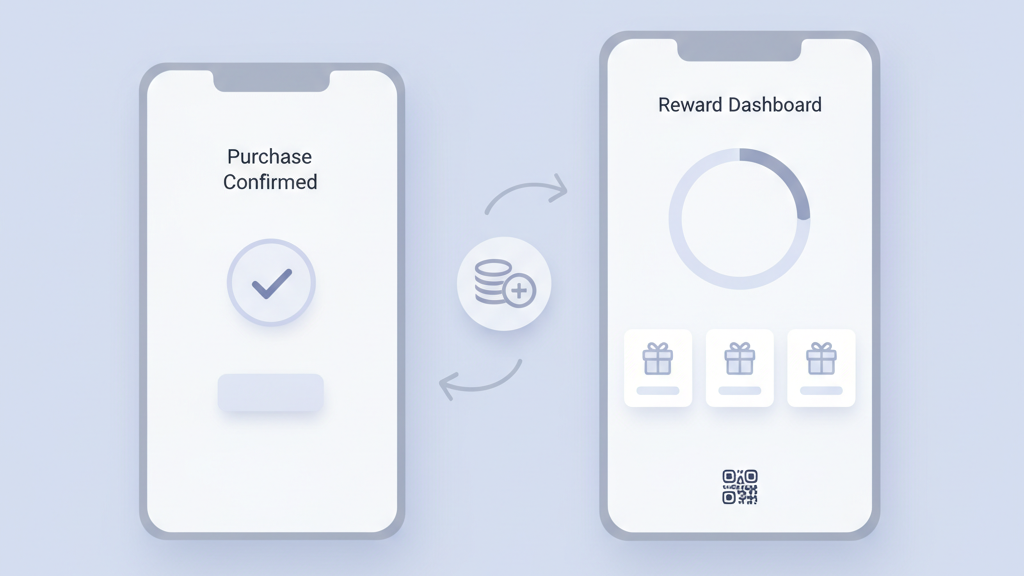
Developing a consumer loyalty app MVP for retention and engagement is about finding the smallest possible set of features that prove your value proposition. Many startups fail because they attempt to launch with a fully featured platform that mimics giant corporations. This approach often leads to wasted resources and a cluttered user experience. Instead you should focus on the primary reason why a user would return to your app. Whether it is a simple discount or an exclusive experience your core offering must be clear and immediate. By launching a minimal version you can gather real world data and adjust your strategy based on how people actually interact with your product. This guide explores the practical path to building a loyalty tool that resonates with your target audience. If you want a related deep dive, read FlutterFlow eduTech app MVP product strategy for US product managers: A Practical Guide.
Identify the Core Reward Mechanism
Founders often look at huge brands and try to replicate their complex reward systems on day one. This is a massive mistake for any startup. When you start building a consumer loyalty app MVP for retention and engagement you need to strip away every non essential feature. Your primary goal is to validate if users care about your rewards at all. Many startups miss this simple fact and spend months building tiers and referral loops that nobody uses. Focus on the core loop instead. This loop consists of an action and a reward. If the user performs the action then they get the reward. It should be that simple. Use a basic point system where one point equals a specific value. Do not create a complex internal currency that requires a math degree to understand. This simplicity allows you to launch faster and gather real data from actual customers. You can always add the complexity later once you have a base of loyal users who are asking for more features. Speed to market is your biggest advantage. Every week you spend polishing a feature that people might not want is a week of wasted budget. Stick to the basics and let your users tell you what they want next. A streamlined product is much easier to explain to a potential customer than a complicated one. For a practical follow-up, see How To Validate Market Fit FlutterFlow travel booking app MVP product strategy and validation service.
Essential Features for Your Initial Launch
Choosing the right features for your initial release is a balancing act. You want enough functionality to be useful but not so much that you delay your launch date. Many founders struggle with this because they want to please everyone. You must be ruthless with your feature list. Focus on the mechanics that drive immediate return visits. For example a digital stamp card is much easier to build than a dynamic pricing engine. It also provides immediate satisfaction to the user. You also need to think about the merchant side if your app involves physical locations. The person behind the counter should be able to process a reward in less than five seconds. If it takes longer then the merchant will stop using your platform. This creates a negative feedback loop that can kill your startup before it grows. Practical features that solve real problems will always beat flashy animations that serve no purpose. Think about the infrastructure needed to support these features as well. You need a reliable way to track transactions and prevent fraud without making the user experience a nightmare. Security is vital even in a minimal version because you are handling user data and value. If you need implementation support, explore Mobile app development.
- Simple point accumulation based on spending
- A digital wallet to view current rewards
- Push notifications for expiring points or special offers
- A basic QR code system for point redemption
- A history log of all past transactions
Prioritizing a Frictionless User Onboarding
User onboarding is the moment where most loyalty apps fail. If a user has to fill out a long form before they can see your rewards they will likely delete the app. You should aim for a frictionless experience. Let them browse the rewards before they even create an account. This builds desire and shows value upfront. Once they are ready to earn points then you can ask for a sign up. Use social logins or phone numbers to make this process fast. In my opinion most apps ask for way too much data too early. You do not need their home address or their middle name to give them a discount on coffee. Focus on the minimum amount of information required to identify the user. This approach reduces the bounce rate and increases the number of active users in your system. A smooth start sets the tone for the entire relationship. If the first interaction is annoying the user will associate your brand with frustration rather than loyalty. Keep the interface clean and the instructions clear. Use simple language that guides the user to their first reward as quickly as possible. Every extra tap is an opportunity for the user to quit and go elsewhere.
Measuring Success Through Retention Metrics
Once the app is in the hands of users you must shift your focus to retention. This is where you measure how often people come back. If you notice that users sign up but never return then your reward is likely not valuable enough. Or maybe the effort required to get the reward is too high. You need to use data to understand these patterns. A successful minimal product should include basic analytics to track these metrics. Look at the churn rate after the first week. This will tell you if your onboarding was successful. You should also look at the average time between visits. If this time is increasing then your engagement is dropping. Use these insights to tweak your rewards or your messaging. Sometimes a small nudge via a push notification can bring a user back. However you must be careful not to spam your users. Too many notifications will lead to people turning them off or deleting the app entirely. Find the right balance between staying top of mind and being a nuisance. Many teams ignore the data because they are afraid of what it might say. Do not make this mistake. The data is your map to building a better product. A related guide worth reviewing is How Startups Can Use Data Analytics to Stay Competitive.
- Weekly active user counts to track growth
- Redemption rates for specific reward types
- Average transaction value for loyal versus new users
- User churn rate after the first reward is claimed
Iterating Based on Direct User Feedback
The final step in your development journey is the feedback loop. You need to talk to your users to understand their motivations. Quantitative data tells you what happened but qualitative data tells you why it happened. Send out short surveys or offer a small bonus for a quick phone call. You might discover that people are using your app in ways you never expected. For example they might be sharing their QR codes with friends to pool points together. Instead of blocking this you might find it is a great way to acquire new users. Be flexible and willing to change your product based on what you learn. Many startups fail because the founders are too attached to their original vision. They ignore the evidence that their users want something else. Your initial launch is just a starting point. It is a tool for learning. The real product will evolve over time as you add features that your users actually ask for. This iterative process is the only way to build a sustainable business in the competitive world of mobile apps. Stay focused on providing value and the loyalty will follow naturally. Listen more than you speak when interviewing your early adopters. Teams moving from strategy to execution can review MVP development for startups.