
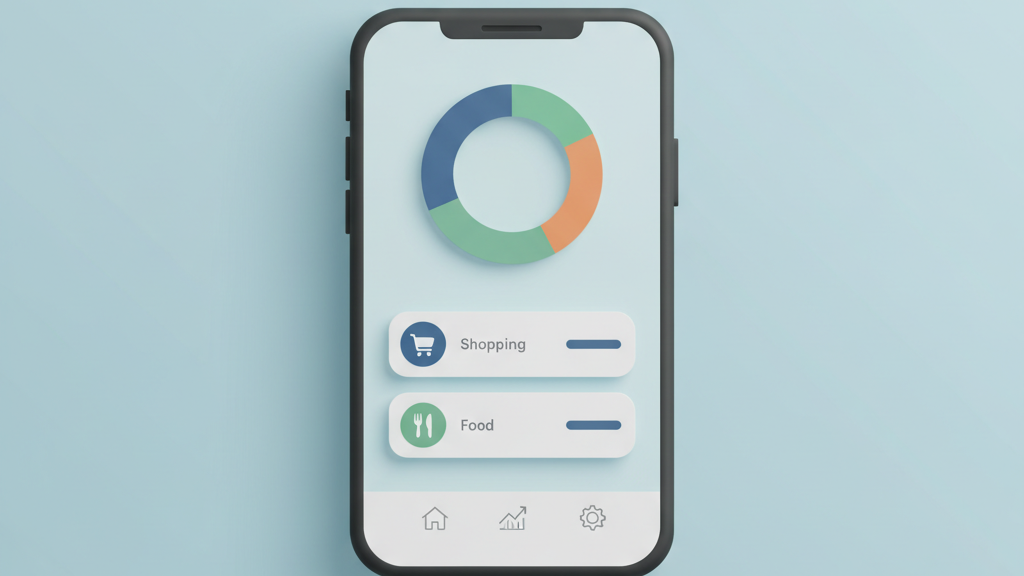
Starting a fintech company requires a lean approach to product development. The market is full of complex tools that often overwhelm new users. Success depends on solving a specific problem with precision. A personal finance application MVP for spending insights offers a clear path to market entry. It focuses on the most common financial pain point which is understanding where the money goes. This guide outlines the strategic steps to build a high quality product while keeping development costs manageable. We will focus on security, data integration, and the user experience needed to win in a competitive landscape.
Defining the Core Value Proposition
Building a successful fintech product starts with a narrow focus. Many founders make the mistake of trying to build a full bank replacement on day one. This approach often leads to delays and wasted capital. A personal finance application MVP for spending insights should focus on one thing. It must help users understand where their money goes every month. This sounds simple but requires deep thought. You have to decide if you want to help people save or just track habits. Many startups miss this distinction during the early stages. They build features for both and end up with a cluttered mess. Your MVP needs to provide immediate value within the first few seconds of use. This usually means a clear visual of total spending versus income. It also means showing the top categories where money is spent. You should avoid complex investment tracking or credit score monitoring in this phase. Those features can come later once you have a loyal user base. Focus on the core problem of visibility. Most people feel a sense of anxiety about their finances. Your app should reduce that anxiety by providing clarity. Clear data visualization is the key to achieving this goal. If the user can see their spending habits in a single glance, they will keep coming back. This retention is what investors look for in early stage startups. Stick to the basics and do them better than anyone else in the market. A simple interface that works perfectly is better than a complex one that is full of bugs. Your goal is to prove that users want your specific way of looking at their data.
Essential Features for Your First Version
Selecting the right features for an MVP is a balancing act. You need enough utility to keep users engaged but not so much that development takes a year. The most critical part of a personal finance application MVP for spending insights is the data connection. Users do not want to enter every coffee purchase manually. They expect the app to sync with their bank accounts automatically. This requires a robust third party integration. Beyond the connection, you need a way to categorize those transactions. If a user sees a long list of merchant names without context, the app is useless. You must group these into categories like groceries or entertainment. Notifications also play a huge role in engagement. A simple alert when a user hits a spending limit can provide massive value. This makes the app feel like a proactive financial coach rather than just a passive record. Many startups miss the importance of a clean search function. Users often want to find a specific transaction from a month ago. Adding a simple search bar can drastically improve the user experience without adding much technical overhead. Keep the scope small to ensure the code quality remains high. It is better to have four features that work every time than ten features that crash.
- Secure bank account linking through modern APIs.
- Automatic transaction categorization with manual overrides.
- A simple dashboard showing monthly spending progress.
- Customizable alerts for specific spending thresholds.
- Search and filter tools for transaction history.
- Basic export functions for tax or accounting purposes.
Designing for User Trust and Security
Trust is the most important currency in fintech. If users do not feel safe, they will never link their bank accounts. This is where you must be uncompromising. Use industry standard encryption for all data storage. You should never store raw bank credentials on your own servers. Instead, use established providers that handle the sensitive handshake for you. This reduces your liability and increases user confidence. Explain your security measures in plain language on your landing page. People want to know that you are using the same level of security as a major bank. Many startups miss the psychological aspect of security. This includes features like biometric login and session timeouts. These small details signal to the user that you take their data seriously. You should also be transparent about how you use their data. Avoid selling user information to third parties. Most users are willing to pay for a tool if they know their privacy is protected. A clear privacy policy is not just a legal requirement but a marketing tool. It shows that you respect the person using the app. In the world of finance, a single data breach can end your company. Spend the extra time and money to get your security right from the very beginning. It is the foundation upon which your entire business is built. Without it, your product will never gain the traction needed to scale.
Technical Considerations and Data Integration
The technical backbone of your personal finance application MVP for spending insights will determine its speed and reliability. Most developers choose a cloud based infrastructure to handle the varying loads. You need a database that can process thousands of transactions quickly. The most common challenge is data normalization. Different banks provide data in different formats. You need a cleaning layer that turns this raw data into a consistent format for your app. This ensures that a grocery store purchase looks the same regardless of which bank it came from. Real time updates are another consideration. While users love seeing transactions instantly, it can be expensive to sync every few minutes. A daily sync is usually enough for an MVP and helps keep your API costs down. You should also think about offline access. Users might want to check their budget while traveling or in areas with poor signal. Caching the most recent data on the device provides a much smoother experience. This prevents the app from showing a blank screen while it waits for a server response. Many startups miss the need for a robust logging system. When a bank connection fails, you need to know why so you can fix it before the user complains. Good monitoring tools are essential for maintaining a high uptime.
- Use scalable cloud providers like AWS or Google Cloud.
- Implement a middleware layer for data cleaning and normalization.
- Choose a reliable fintech API provider for bank connectivity.
- Create a local cache strategy for faster data loading.
- Set up automated monitoring for connection stability.
- Plan for regular security audits and penetration testing.
User Experience and Data Visualization
Financial data is often overwhelming for the average person. Your job is to make it digestible and even enjoyable to look at. This is where your UI and UX design team must shine. Avoid using complex tables or small text. Instead, use bold colors and clear charts to tell a story about the user money. For example, a simple progress bar can show how much of a budget is left. This is much more effective than showing a raw number. Use icons to help users scan their transactions quickly. A grocery bag icon is easier to recognize than the word grocery. You should also think about the emotional state of your user. People checking their finances are often stressed. Use a calming color palette and encouraging language. If they overspend, do not use red or aggressive warnings. Instead, offer helpful insights on how they can adjust. This builds a positive relationship between the user and the app. Many startups miss the chance to gamify the experience. Small rewards or badges for staying under budget can boost retention. The goal is to make the user feel in control of their life. When they feel in control, they will continue to use the app every day. A great user experience is what separates a successful personal finance tool from a forgotten one. Keep the design clean and focus on clarity above all else.
Launch Strategy and Growth Metrics
Once the personal finance application MVP for spending insights is ready, you need a plan to reach your audience. Do not just launch on the app store and hope for the best. Start with a small beta group to find bugs and gather feedback. These early users will tell you which features they actually use. Listen to them closely and be ready to pivot. Many startups miss the importance of tracking the right metrics. Do not just look at total downloads. Focus on daily active users and retention rates. If people download the app but never open it again, you have a problem. You should also track how many people successfully link their first bank account. This is the biggest hurdle in the user journey. If this process is too hard, you will lose most of your users immediately. Use social media and content marketing to build an audience before you launch. This creates a waiting list of people who are excited to try your product. Referral programs are also very effective in the fintech space. Offer a small incentive for users who invite their friends. This creates a viral loop that can lower your customer acquisition costs. Remember that an MVP is just the beginning. The real work starts once the app is in the hands of users. Be prepared to iterate quickly based on the data you collect every day.
- Run a closed beta with a target group of fifty users.
- Track the conversion rate from download to bank link.
- Monitor daily retention to measure long term value.
- Create a referral loop to lower marketing costs.
- Gather qualitative feedback through in app surveys.
- Prepare a roadmap for the next three months of updates.