
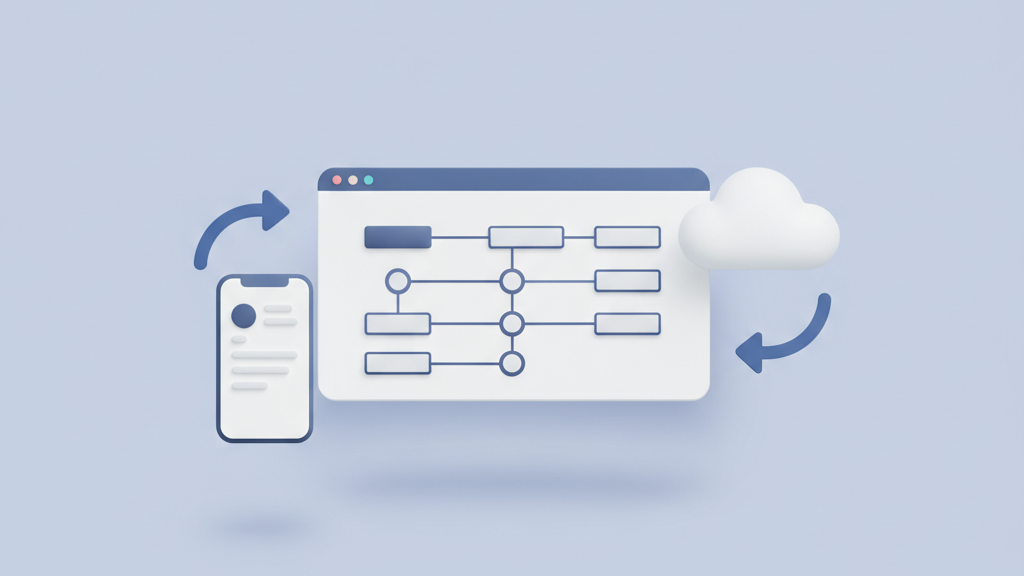
Starting a new project in the advertising technology space is a complex task that requires careful planning and a deep understanding of market dynamics. Many founders struggle to bridge the gap between a high level vision and a functional product that users actually want to use. This is where a FlutterFlow adtech app MVP product strategy and technical roadmap service becomes invaluable for your startup growth. By following a structured approach you can avoid common pitfalls that often lead to wasted resources and missed deadlines. The goal is to build a lean version of your application that demonstrates your core value proposition while remaining flexible enough to adapt to feedback. You need to consider how your technology will scale and how it will integrate with the broader digital ecosystem. A well defined plan ensures that every development hour is spent on features that matter most to your target audience. This strategic foundation is what separates successful startups from those that fizzle out before reaching the market.
Strategic Discovery and Market Alignment
A successful adtech launch starts with a clear understanding of the problem you are trying to solve. Many startups miss this and jump straight into coding without a clear direction. You should spend a significant amount of time defining your user personas and their specific pain points. In the advertising world these users could be anyone from small business owners looking to place ads to large publishers trying to manage their inventory. Each of these groups has distinct requirements that will shape your product. I believe that a narrow focus is much better than trying to be everything to everyone at the start. You might find that focusing on a niche market gives you a better chance of success. This strategy allows you to build a more specialized product that truly resonates with a specific group of people. Once you have established a foothold in a niche you can then expand to larger markets. Your technical choices should always support your business goals. For example if your goal is to provide real time analytics you need a backend that can handle high velocity data. If you ignore these requirements early on you will face expensive rewrites later. This discovery phase is about making informed decisions that will guide your development team through the entire process. It is about building a map that shows you where you are going and how you will get there.
Mapping the Technical Requirements
Once the basic strategy is in place you need a clear path forward. This involves mapping out every technical requirement. Your roadmap must account for complex integrations. Adtech apps often rely on third party services for bidding and tracking. You need to ensure these services communicate perfectly with your mobile frontend. Many teams overlook the importance of a clean backend structure. If your database is messy your app will be slow. Low code tools allow you to connect to various backends like Firebase or Supabase. Choosing the right one depends on your specific data needs. For instance Firebase is great for real time updates while Supabase offers more relational flexibility. Your roadmap should also include milestones for testing. Do not wait until the end of development to check for bugs. Test every feature as soon as it is built. This helps you avoid a massive pile of work right before your launch date. Founders often underestimate how much time integration takes. It is rarely as simple as plugging in an API key. You will likely face issues with data formats or authentication. Preparing for these hurdles early on will save you a lot of stress during the development cycle.
- Integrating programmatic bidding APIs
- Configuring real time analytics dashboards
- Setting up secure user authentication
- Implementing cross platform tracking logic
- Designing responsive layouts for all devices
Building for Scalability and Performance
Scaling an adtech platform involves unique challenges. You are not just managing users. You are managing high volumes of data and millions of requests. The platform is powerful but you must use it correctly to handle this load. Many developers ignore the efficiency of their queries. This leads to high costs and slow performance. You should prioritize lean data structures. Only fetch the data that is absolutely necessary for the current screen. This keeps the user experience smooth and fast. I believe that performance is a feature in itself. If your app feels sluggish people will stop using it. This is especially true in advertising where every millisecond counts. You also need to think about where your logic lives. Moving heavy calculations to the cloud can help keep your mobile app light. This separation of concerns is a hallmark of good software architecture. Even in a low code environment you must follow these best practices. It might seem easier to put all your logic inside the app but this will cause problems later. Think about the long term health of your product. A well structured app is much easier to maintain. It also makes it easier to onboard new developers as your team grows and your product becomes more complex.
Prioritizing Privacy and Data Compliance
Privacy is no longer optional in the world of digital advertising. You must build your product with a focus on compliance from day one. This includes managing user consent and protecting sensitive data. Many founders assume they can fix privacy issues later. This is a dangerous mindset. Laws like GDPR and CCPA have strict requirements. Failure to comply can result in massive fines. Your planning process must include a plan for these regulations. You need to decide how you will collect and store user information. It is often better to store as little data as possible. This reduces your risk and builds trust with your audience. Transparency is key. Tell your users exactly what you are doing with their data. This approach might feel counterintuitive in advertising but it pays off in the long run. Users are more likely to engage with brands they trust. You should also consider how privacy changes on platforms like iOS and Android affect your app. These changes often break traditional tracking methods. You need to find creative ways to measure success without compromising user privacy. Building a privacy first product will give you a competitive advantage as regulations become more strict across the globe.
- Implementing transparent consent banners
- Encrypting sensitive user data at rest
- Conducting regular security audits
- Minimizing data collection to essential fields
- Ensuring compliance with international privacy laws
Iterating Based on Real User Feedback
The final stage of your MVP development is the feedback loop. Launching your product is just the beginning. You need a system for collecting and analyzing user feedback. This data will tell you if your strategy was correct. It will also highlight areas where your roadmap needs to change. Many startups fail because they stop listening to their users after launch. They get stuck in their own vision and ignore the reality of the market. You must be willing to kill features that do not work. This can be painful but it is necessary for growth. Use analytics tools to see how people are actually using your app. Look for patterns in their behavior. If everyone is dropping off at a certain point you know there is a problem. Address these issues quickly. The ability to move fast is your greatest strength. Modern tools make these updates simple. You can push changes to your users without waiting for a long deployment cycle. This agility allows you to stay ahead of your competitors. Always be looking for ways to improve the value you provide. A successful product is never truly finished. It is a living thing that grows and changes over time as the market evolves and new technologies emerge.
- Monitoring user retention rates daily
- Testing different ad placements for engagement
- Gathering direct feedback through in app surveys
- Identifying bottlenecks in the user onboarding process
- Reviewing performance logs for unexpected latency