
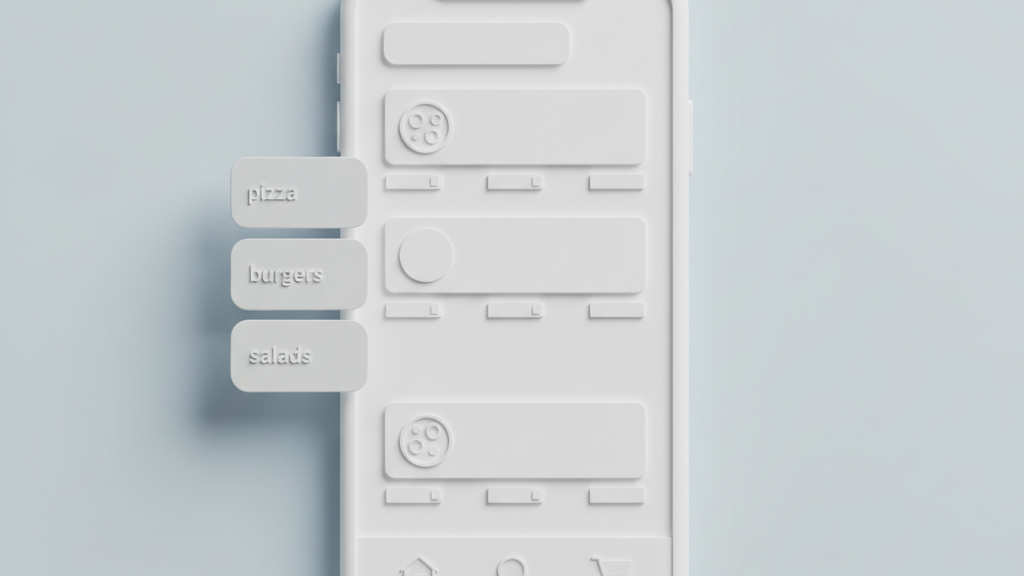
Launching a new delivery platform is a complex undertaking that requires careful planning and execution. Many startups fail because they focus on the interface while ignoring the logistics. A solid development plan provides the roadmap you need to build a functional and scalable product. This approach ensures that your technical foundation matches your business goals from the very first day. By prioritizing the right features and operational flows, you can enter the competitive food market with confidence. This guide explores how to balance rapid development with the rigorous demands of the food delivery industry using modern visual development tools.
The Foundation of Your Delivery Business
Launching a delivery platform requires more than just a pretty interface. Many startups miss this simple fact. You need a solid FlutterFlow food delivery app MVP strategy and operational readiness service to ensure your backend can handle real orders. Most founders focus purely on the visual design. While FlutterFlow makes UI development fast, the underlying logic is what keeps customers coming back. You must plan for courier assignments, payment processing, and restaurant notifications from the start. This service helps you map these complex flows before you write a single line of logic. It prevents major rework later and saves significant resources. We often see teams build a beautiful app that fails the moment ten people order at once. You want to avoid that trap by building a resilient foundation. This approach allows your team to iterate based on real feedback instead of fixing basic bugs. A strong strategy ensures your product is ready for the messy reality of the food business. Delivery logistics are notoriously difficult. You have to balance the needs of customers, drivers, and merchants simultaneously. A good strategy considers how these three personas interact. For example, you must decide what happens if a restaurant is too busy to accept an order. You need a system that grows with you. FlutterFlow is powerful but it requires a disciplined architect to make it truly scalable. Focus on the core value proposition first. Get the order flow right before adding extra features. This focus will make your initial launch much more successful.
Core Features and User Experience
The user experience determines whether your customers stick around or delete the app. You need a clear interface that guides them from the menu to the checkout. Many apps fail because the navigation is too cluttered with options. You should prioritize speed and clarity above all else. A simple search bar and category filters help users find what they want quickly. We recommend keeping the checkout process as short as possible to reduce cart abandonment. Use saved payment methods and address autocomplete to reduce friction for the user. This is where many teams get lost in unnecessary features. Focus on the essentials that solve the immediate problem for your customer. Your MVP should prove that people want to order through your platform. The features you choose must reflect your unique value in the local market. Perhaps you focus on healthy food or late night snacks for students. Your UI should support that specific niche. Here are some critical features for your initial release. These items ensure your app meets basic market expectations and provides a smooth experience.
- Dynamic menu management for restaurant partners
- Real time order tracking and status updates
- Integrated secure payment gateways
- Instant push notifications for drivers and customers
Backend Operations and System Logic
Operational readiness is about what happens behind the screen when a user clicks order. It involves the tools your staff uses to manage the platform effectively. You need a dashboard to monitor active orders and driver locations in real time. This part of the build is often overlooked by first time founders who focus only on the consumer app. Without a clear view of your operations, you cannot solve problems as they arise. Imagine a driver gets lost or a kitchen runs out of a key ingredient. Your system must handle these scenarios gracefully without manual intervention every time. A robust backend logic ensures that data flows correctly between all users in the ecosystem. We suggest using Firebase or Supabase to manage your real time data needs for better performance. These tools integrate perfectly with FlutterFlow and allow you to scale without managing your own servers. You should also consider how you will handle refunds and customer support queries. These processes are part of your broader operational readiness plan. Having a clear plan for these tasks makes your launch week much smoother. It gives your team the confidence to handle high volume days without crashing. Your strategy should include a detailed plan for these internal tools. Most successful apps spend as much time on the merchant portal as they do on the customer app. Merchants need simple tools to manage their busy kitchens.
Scaling and Market Readiness Strategy
Market entry requires a tactical approach to testing and gathering user feedback. You should start with a small geographic area to test your logistics before expanding. This allows you to fix issues without ruining your reputation on a large scale. Many successful platforms started in a single city or even a single neighborhood. This focus helps you build a strong relationship with local merchants and customers. It also makes driver management much easier for your operations team. You can gather direct feedback from your first users and iterate on the product quickly. Your development build allows for fast updates based on this real world data. You can change the UI or the logic in hours rather than weeks. This agility is your biggest advantage against larger competitors in the space. Use it to refine your service until the unit economics make sense for your business model. You must also track key performance indicators to measure your growth and success. These metrics tell you if your business is sustainable in the long run. They guide your future development decisions and investment rounds. Here are some steps to take during your soft launch phase.
- Define your target delivery radius clearly
- Recruit a small group of reliable merchant partners
- Set up local driver networks with clear incentives
- Monitor delivery times and order accuracy daily
- Collect user feedback through simple digital surveys
Technical Debt and Maintenance Planning
Long term success depends on how you handle technical debt and ongoing maintenance. Many founders think the job is done once the app is available in the store. In reality, the actual work is just beginning for your development team. You will need to update your app to support new operating system versions and devices. You will also discover new features that your users desperately want as they use the app. A clean codebase in FlutterFlow makes this process much easier for everyone involved. You should avoid messy logic chains that are hard to debug when things go wrong. Documentation is also vital for your future team members as you grow. Even a simple README file can save hours of confusion during the onboarding process. We recommend performing regular audits of your backend usage to keep your cloud costs low. As your user base grows, your cloud costs will increase significantly. Optimizing your database queries can save you thousands of dollars every year. Stay focused on your long term goals while managing daily operations. A successful delivery app is a marathon rather than a short sprint. Keep your code clean and your operations lean to ensure longevity. You might want to consider automated testing for your core flows like login and checkout. This prevents new updates from breaking the primary revenue generating features.