
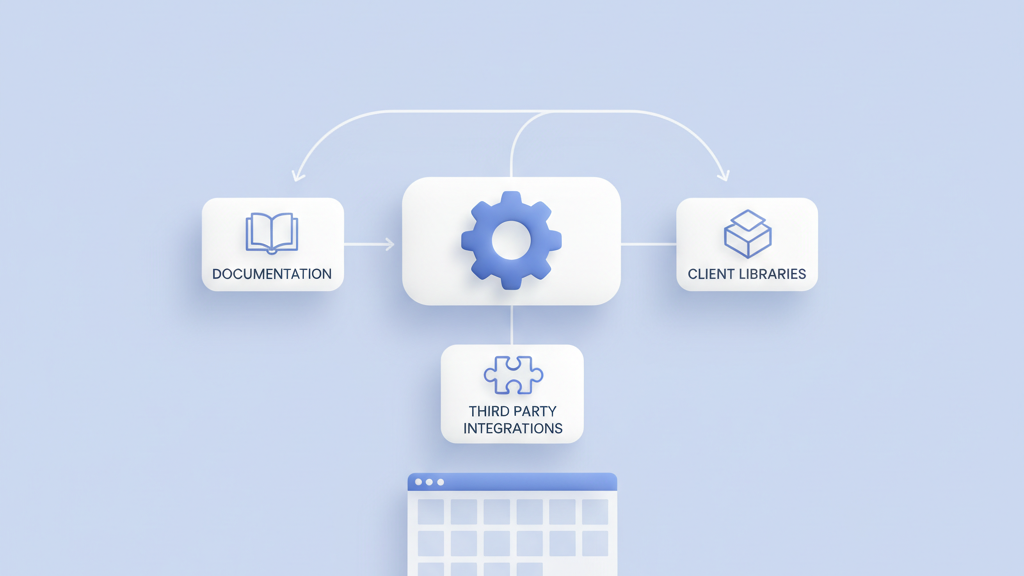
Building a software platform often starts with the engine rather than the paint. For many modern startups, the user interface is secondary to the underlying integration capabilities. If you choose to build an API first platform MVP for developer experience, you are making a strategic bet on the technical user. This specific approach ensures that your core business logic is accessible and stable before you ever worry about a web dashboard or mobile app. Most founders rush into UI design because it feels more tangible and easier to show to investors. They forget that developers hate clunky integrations and poor documentation. Your goal should be to make the code the primary interface. This shift in thinking saves a lot of time and avoids rebuilding the backend when the frontend needs a change. It is about creating a solid foundation that other companies can build on. Many startups miss this and end up with a messy backend that cannot scale beyond their own internal needs. By focusing on the API first, you treat your service as a product in its own right.
The Core Philosophy of Headless Service Design
The transition toward headless services has changed how we think about product launches. You no longer need a full suite of visual tools to prove your value to the market. An API first platform MVP for developer experience allows you to validate your core logic directly with technical teams who need your functionality. This is a bold move for many product managers who are used to seeing mockups and prototypes first. In reality, a well documented endpoint is more valuable to an engineer than a pretty button that does not actually work. You should focus on the contract between the service and the consumer. This contract defines how data flows and how systems talk to each other without human intervention. Many teams fail because they treat the API as an afterthought to the mobile application. By flipping the script, you ensure that every feature is robust and scalable from the very first day. You also open the door for third party integrations much earlier in the product lifecycle which can accelerate growth. It forces a level of architectural discipline that UI heavy projects often lack. You must define your data models and error states before a single line of frontend code is written. This clarity reduces friction during the development process and sets a high bar for quality that developers will appreciate. I believe that starting with the logic is the only way to build a truly extensible platform in the modern ecosystem.
Essential Elements of a Technical MVP
Building for developers requires a specific mindset that differs from building for general consumers. You are selling a tool that helps someone else build something great. To succeed with an API first platform MVP for developer experience, you must prioritize clarity and speed of implementation. Developers want to see a request and a response within minutes of landing on your website. If they have to talk to a salesperson just to see the documentation, they will likely leave and find a competitor. You need to provide a sandbox environment where they can test things without breaking anything. This reduces the risk for their own internal projects. Many startups miss this step and force users into production environments too early which leads to frustration. Your documentation should be live and interactive. It must explain not just what an endpoint does but also why a developer would use it in a specific context. I have seen many platforms fail simply because their documentation was out of date. You should treat your docs as a product feature that requires regular updates and maintenance. Consider these essential elements for your initial release:
- Interactive documentation like Swagger or Redocly
- Client libraries for popular languages like Python and JavaScript
- Detailed error messages that explain how to fix the specific problem
- Clear rate limits and usage tracking on a developer dashboard
- Example code snippets for common use cases and workflows
- A simple authentication flow that does not require complex handshakes
Common Pitfalls in Platform Onboarding
One major risk in this approach is over engineering the initial specification. Founders often get caught in a cycle of trying to define every possible endpoint before they have a single active user. This leads to a bloated API that is hard to maintain and even harder for developers to understand. You should start with a narrow scope that solves one specific problem extremely well. It is better to have three perfect endpoints than twenty mediocre ones that are full of bugs. Another common mistake is ignoring the onboarding experience for the developer. If it takes three hours to get an API key, the developer will find a competitor. You should treat the signup flow as a critical part of the user journey. The first successful call to your service is a huge emotional win for a technical user. It builds trust and proves that your system works exactly as advertised. You should also be prepared for feedback that challenges your initial assumptions about data structure. Developers will use your tool in ways you never imagined. Instead of fighting these use cases, you should embrace them and adjust your roadmap. This flexibility is what makes a platform successful in the long run. Keep your responses consistent and follow industry standards like REST or GraphQL to lower the learning curve for new users. Consistency is often more important than being clever.
Technical Pillars of Reliability
Technical architecture plays a massive role in how developers perceive your product. If your service is slow or frequently down, it does not matter how good the documentation is. You need to build a system that feels fast and reliable under pressure. This means investing in infrastructure that handles high concurrency and provides low latency across different regions. You should also think carefully about how you version your endpoints. Breaking a developers code because you changed a field name is a quick way to lose your user base. Always use versioning in your URL or headers to ensure backward compatibility for older integrations. This gives teams time to migrate to newer versions at their own pace without stress. Developers appreciate stability and predictability more than almost anything else in a service provider. You should also think about the observability of your platform. Users should be able to see their own logs and debug their integrations without contacting your support team. This self service model is vital for scaling a developer focused business. Focus on these technical pillars during your build:
- Versioning strategies to prevent breaking changes for existing users
- High performance caching for common GET requests
- Global edge deployment to reduce latency for international users
- Comprehensive logging and debugging tools for developers
- Webhooks for real time event notifications and updates
- Automated status pages to communicate downtime transparently
Scaling Through Community Feedback
The final stage of launching your API first platform MVP for developer experience involves gathering deep qualitative feedback. You are not just looking for bug reports from your users. You want to understand the actual workflows of the people using your tools. Ask them which endpoints were confusing or where they felt they had to write too much boilerplate code. A great developer experience is about removing obstacles and making tasks easier. If your users are writing custom wrappers just to make your API usable, your design is likely flawed. You should strive for a plug and play feel that works right out of the box. This requires a constant loop of testing and refinement based on real world data. Many founders stop after the first release and move on to the next major feature. The best platforms are built through hundreds of small tweaks based on actual usage patterns. You should also consider building a community around your product. A place where developers can ask questions and share their projects is incredibly valuable. It creates a network effect where users help each other solve problems. This reduces your support burden and increases the stickiness of your platform. Remember that you are building a relationship with a technical audience. They value transparency and technical honesty above marketing fluff. If you have a known issue, be open about it. They will respect the honesty and stay with you as you grow your service.