
Starting a new social platform is often a race against time and limited capital. Many founders try to build every possible feature at once and run out of money before they find a single active user. This is why using FlutterFlow dating app MVP product strategy and development services is the best path forward for modern startups. You get to market in weeks rather than months. We often see teams miss the mark because they focus on secondary features instead of the core user experience. This guide will show you how to prioritize what matters and build a foundation that actually scales as your user base grows.
Finding the Right Niche for Your Social Platform
Success in the crowded dating market depends on finding a unique angle that big players often ignore. Many founders make the mistake of trying to build a direct clone of existing apps. This approach rarely works because you cannot outspend the giants on marketing or design. Instead, you should focus on a specific community or a unique way of connecting people. We have seen that the most successful products are the ones that do one thing very well. You might choose to focus on shared hobbies or professional backgrounds. Whatever your niche is, your development process must support that focus. This is where a strategic approach to building your first version becomes essential. You need to validate that people actually want to use your core feature before you spend months on secondary items. Many startups miss this simple fact and end up with a polished product that nobody wants to use. We have seen founders spend six months building a complex matching engine only to realize that their users just wanted a simple way to find people in their specific building. This is a common trap. By keeping your scope small, you can learn from your users and change direction if necessary. This flexibility is what allows small teams to compete with large corporations. You can listen to your users and ship updates faster than a big company can even schedule a meeting. This speed is your greatest asset in the early days of your startup journey.
Technical Logic and Infrastructure for Early Growth
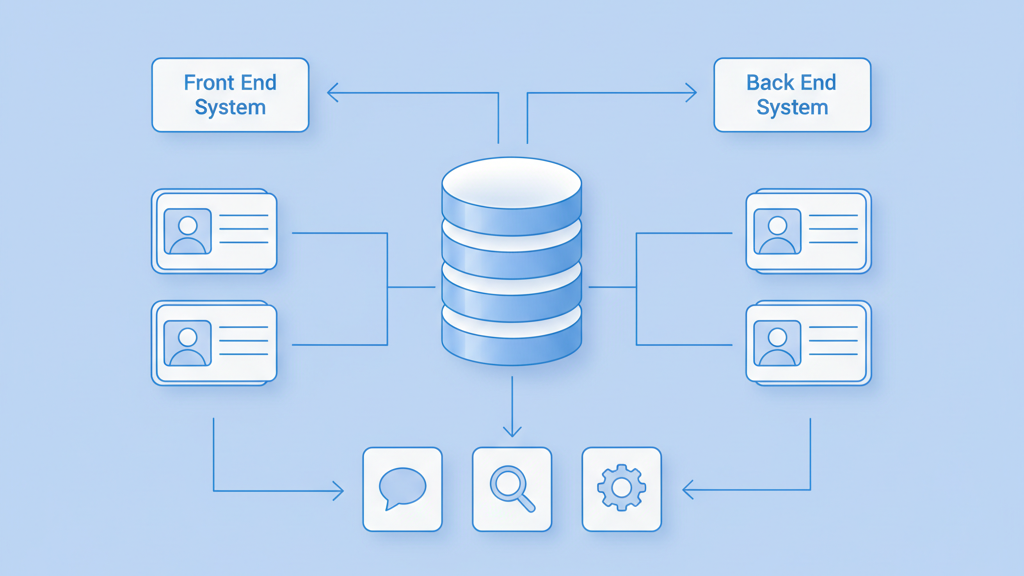
The technical side of your platform needs to be robust but also flexible enough for rapid changes. Most dating apps require similar foundations like user profiles and real time chat. You do not need to reinvent these components from scratch. Using prebuilt logic for standard features allows you to spend more time on your unique selling points. For example, your matching algorithm is what will set you apart from the rest of the market. You should spend your time perfecting how users discover each other rather than building a custom login screen. We recommend using a backend that scales automatically so you do not have to worry about server crashes when you get a sudden influx of users. Many people think that low code solutions are only for simple apps. This is a common misconception that can hold you back. You can build very complex logic and custom integrations that provide a high quality experience. The key is to know when to use standard components and when to write custom functions. This balance is what makes a product successful in the long run. Many founders forget that users do not care about the technology under the hood. They only care if the app works and if they can find a match. Focus on the user experience and let the tools handle the heavy lifting of the infrastructure.
- Connect to a scalable cloud database for user data.
- Use cloud functions for complex matchmaking logic.
- Implement secure authentication for user accounts.
- Build a responsive chat interface for active matches.
- Add filtering options to help users find specific partners.
Prioritizing User Safety and Privacy Protocols
User safety is a topic that many founders avoid until it becomes a major problem. This is a dangerous way to run a dating platform. You must have a clear plan for moderation and reporting from the very first day. People will only use your app if they feel safe and respected. This means you need a way to verify that users are who they say they are. You can start with simple phone number verification to reduce the number of bot accounts. As you grow, you might want to add more advanced features like photo verification or identity checks. You also need a simple way for users to report harassment or inappropriate behavior. At the start, you can handle these reports yourself through a simple admin dashboard. This manual oversight helps you understand the culture of your app and identify any systemic issues. We believe that a safe environment is the best way to ensure long term user retention. If women do not feel safe on your app, they will leave, and the platform will quickly fail. You must prioritize their experience if you want a healthy and sustainable community. This focus on safety should be part of your initial development plan and not an afterthought. Many teams ignore this and end up with a toxic community that is impossible to fix later. Do not make that mistake.
Designing for Intuitive Navigation and Speed
Designing the user interface is about more than just making it look pretty. You need to create a flow that feels natural and intuitive. In a dating app, the primary action should always be clear and easy to find. Whether it is swiping, clicking, or messaging, the user should never have to think about what to do next. We see many apps fail because the navigation is too complex. They try to pack too much information onto a single screen. This creates a cognitive load that drives people away. It is better to have several clean screens than one cluttered one. You should also pay attention to small details like the speed of transitions and the feel of buttons. These micro interactions are what make an app feel premium and trustworthy. Users associate a smooth interface with a high quality service. If your app is laggy or hard to use, they will assume your matching is also poor. Spend time testing your designs with real people who fit your target demographic. Their feedback will reveal pain points that you might have missed during the design phase. Simple changes like moving a button or changing a color can have a huge impact on how people feel about your product. A startup should always aim for a frictionless experience that gets users to their goal as quickly as possible.
Launching and Scaling Your Local User Base
Marketing a dating app is unique because you need to reach a critical mass in a specific area. A dating app with no people in your city is a useless app. This is why your growth strategy must be as carefully planned as your development. We recommend starting with a small geographic area and building a loyal user base there. This allows you to test your assumptions and fix bugs before you spend a lot of money on a wider launch. You can use local events and social media ads to target the right people. This focused approach also makes it easier to gather feedback and build a community. You can talk to your users directly and find out what they like and what they hate. This information is vital for your product roadmap. You should also look at your data every day to see how people are using the app. Are they sending messages? Are they matching? Are they coming back the next day? These metrics will tell you if your product is working or if you need to make changes. Many startups fail because they spread themselves too thin across too many locations. Focus on one city and win there before you move on to the next.
- Run targeted ads in specific neighborhoods to build density.
- Host local launch events to meet users in person.
- Monitor daily active user counts to measure engagement.
- Track the number of messages sent per match.
- Offer early bird incentives to build a base of initial profiles.
The Value of a Strategic Development Partnership
Investing in professional help for your initial build can save you from costly mistakes. While many people try to do everything themselves, an expert team knows where the pitfalls are. They can guide you on everything from database architecture to user interface design. This ensures that your foundation is solid and ready for growth. You do not want to reach ten thousand users only to realize your database cannot handle the load. A professional team also brings a sense of discipline to the project. They will keep you focused on the features that actually move the needle for your business. It is easy to get distracted by shiny new ideas that do not add value to the end user. Having a partner who understands the business side of development is just as important as having someone who can write code. They will help you make the tough decisions about what to include and what to cut for your initial release. Scaling your platform is the final challenge that you will face as you grow. Once you have a successful model in one area, you need to expand without breaking your system. You should be thinking about performance from the start so that you do not have to rebuild everything later. Many teams wait until they have a performance crisis to hire experts. This is much more expensive than doing it right from the beginning. A successful dating app is a living product that constantly evolves to meet the needs of its users.