
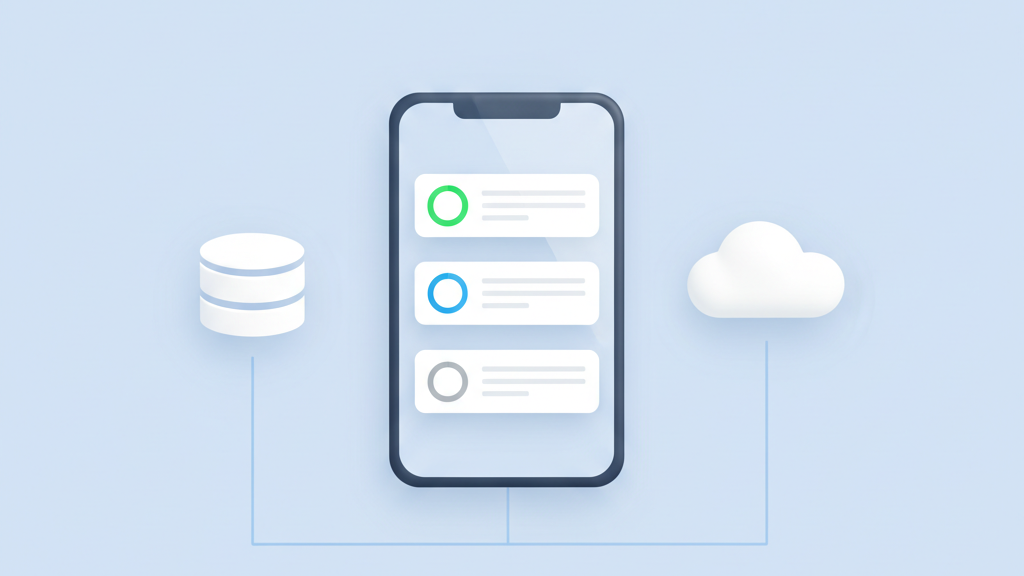
Many startups are looking for FlutterFlow productivity app MVP architecture and development services to get their ideas off the ground quickly. The market for tools that help people manage their time is crowded. You need a way to stand out while moving fast. Building a minimum viable product is the best way to test your assumptions without spending too much money. It allows you to gather real data from users. This data tells you what features people actually want. However, speed should not lead to poor quality. You must have a solid foundation if you want to grow your app in the future. A well planned structure makes all the difference when you are ready to scale. This guide will help you understand how to approach the development of your next productivity tool using modern low code methods.
The Foundation of a Successful Productivity MVP
Many founders jump into the development phase without a clear plan. This often leads to massive rework later on. A productivity tool needs a strong foundation to handle complex logic and user data. FlutterFlow is excellent for this because it allows for fast prototyping. You can see your ideas in real time and make changes on the fly. However, speed should never replace engineering quality. You must think about how the data flows between different parts of the application. A simple task app can quickly become messy if the backend is not set up correctly. Start with a clear map of your user journey. Focus on the core problem your app solves for the user. Do not try to build every feature at once. It is better to have one working feature that users love than ten broken ones that confuse them. This approach keeps your project manageable and focused. It also helps you stay within your initial budget. You want to reach the market before your competitors do. Using a low code tool helps with that speed. But you must still respect software engineering principles. This means creating a clean data model from day one. It also means keeping your user interface consistent across all screens. Users notice when an app feels like a collection of random parts. They want a cohesive experience that feels professional. Planning your architecture upfront ensures that your app can handle more users later. It also makes it much easier for other developers to join the project as you grow. This is especially important as your startup moves from an MVP to a full product.
Essential Features for Your First Launch
Every productivity tool needs a core set of features to be useful. These elements define the user experience and solve basic problems. You should focus on high impact tools that provide immediate value. Task management is the most obvious one but it needs to be intuitive. Users want to see their progress and feel a sense of achievement. This is a common trap where founders build too many tiny features and forget the main goal. Calendars and scheduling are also vital because they help people organize their day. Notifications keep users engaged and remind them to return to the app. Without them, people might forget to check their tasks entirely. You also need a way to organize data into categories or folders. This keeps the workspace clean as the user adds more information over time. Another important part is search functionality. As the user adds more data, finding specific items becomes harder and slower. A good search bar saves time and reduces frustration. Many startups miss the importance of offline access. Users expect to work even when they have no internet connection. This requires careful planning of the local state within the app. If the app stops working every time the signal is weak, users will quickly find an alternative.
- Real time task syncing across devices
- Customizable push notifications for reminders
- Offline data persistence for uninterrupted work
- Intuitive search and filtering options
- Progress tracking and visual analytics
- Integration with third party calendar services
Why Expert Development Services Matter
Professional FlutterFlow productivity app MVP architecture and development services provide a bridge between a rough idea and a scalable product. Many founders believe they can do everything themselves with low code tools. This is often a mistake that leads to technical debt. A professional team understands how to structure a project for future growth. They know which widgets to use and which custom functions are necessary to make the app perform well. They also handle complex integrations that low code platforms might struggle with on their own. This includes connecting to complex third party APIs or setting up advanced authentication systems. High quality development services ensure that your app is not just a prototype. It becomes a reliable piece of software that can handle thousands of concurrent users. This reliability is crucial for gaining user trust. If an app crashes or loses data, users will leave and never come back. Investing in expert help early on saves money in the long run. It prevents expensive rewrites when the app starts to get popular. It also gives you more time to focus on marketing and growing your business. Expert developers can also help you navigate the app store submission process. They ensure that your app meets all the technical requirements of major platforms. They also help with security best practices to protect user information. People store sensitive data in productivity tools. A leak could ruin your reputation overnight. Professional help helps you mitigate these risks and build a brand people trust.
Technical Architecture and Data Management
The architecture of your application is its backbone. You must decide on a database strategy early in the process. Firebase is a popular choice for many developers. It offers real time updates and is very easy to set up with FlutterFlow. However, Supabase is gaining traction for its relational capabilities. Your choice depends on how your data is structured. If you have complex relationships between tasks and projects, a relational database might be better. You also need to think about state management. This determines how data is passed between different screens and components. FlutterFlow has built in tools for this but they require a methodical approach. Do not use global variables for every piece of data. It makes the app very hard to debug. Instead, use component state for localized data. This keeps your project clean and organized. Our agency has seen many founders fail because their data model was too rigid. You need a structure that can evolve as you add new features. Performance is another key factor. Large lists of tasks can slow down the app if they are not handled correctly. Use infinite scrolling and lazy loading to keep the interface snappy. This ensures a smooth experience even for power users with thousands of entries.
- Scalable database schema design
- Efficient state management strategies
- API integration for external data sources
- Custom code for complex business logic
- Performance optimization for large datasets
- Security rules for data protection
Launching and Gathering User Feedback
Finalizing your FlutterFlow productivity app MVP architecture and development services involves more than just writing code. You must test your app with real users as soon as possible. Their feedback is more valuable than any internal review you can perform. Launching a product is just the beginning of the journey. You will likely find bugs that you did not notice during development. This is normal and expected in the startup world. The key is to fix them quickly and keep your users informed. Use analytics to see how people interact with your app. This data tells you which features are popular and which are ignored. You can then use this information to plan your next development cycle. Stay focused on your primary goal and do not get distracted by every feature request. A successful app is one that evolves based on real user needs. This iterative process is what leads to long term success in the competitive productivity market. You should also consider your monetization strategy during this phase. Testing different pricing models can help you find what works best for your specific audience. Keep your marketing efforts consistent and clear. Even the best app will fail if nobody knows it exists. Share your progress and the problems you are solving on social media. This builds a connection with your potential users. When they see the effort you put into the architecture, they will trust the final product even more.