
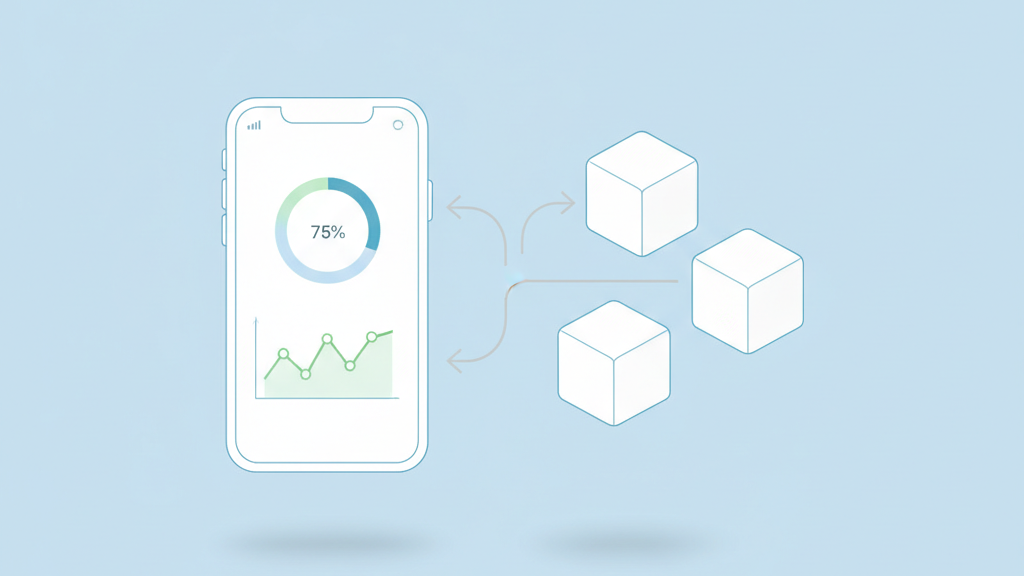
The world of connected hardware is moving faster than ever. Founders often face a difficult choice between speed and quality when building their initial software. Traditional mobile development can take months and cost a fortune. This delay is dangerous for a new business. Using a FlutterFlow IoT app MVP development agency for startups allows you to bridge the gap between physical devices and digital interfaces in record time. This approach uses the power of low code to create professional apps that connect seamlessly to sensors and controllers. You can test your hardware with real users while your competitors are still stuck in the design phase. It is the most efficient way to prove your concept in the modern market.
Why Startups Choose Low Code for IoT Projects
Startups often rush to build hardware and forget that the software is how users actually experience the product. A clunky app can kill a great device before it even gets a chance. This is where a FlutterFlow IoT app MVP development agency for startups becomes a secret weapon. They allow you to build a professional interface that talks to your hardware without the massive price tag of native development. Many founders miss the fact that speed is a competitive advantage. If you spend six months building an app, your competitors might launch three different versions of their product. Low code lets you stay ahead by focusing on what matters. It is not about cutting corners. It is about focusing your energy on the unique value of your hardware. Most of the standard mobile features like login screens and profile settings are already built into the platform. You should not waste time coding those basic elements from scratch. Instead, you can focus on the custom features that make your product stand out. This strategy helps you get to market faster and gather user feedback sooner.
Technical Requirements for Connected Device Apps
Connecting a phone to a physical device requires specific protocols and clever engineering. You cannot just use standard web requests for everything. You need to think about how data moves through the air in real time. Many people think that low code tools are limited to simple spreadsheets or forms. That is a common misconception that keeps founders from using the best tools available. FlutterFlow can use custom blocks of code to handle complex tasks like Bluetooth communication. We often use these for specialized tasks that the standard builder does not cover yet. If your device uses Bluetooth Low Energy, you can integrate libraries that scan for nearby signals. If you are using a cloud gateway, you can set up real time listeners. It is very powerful when handled by experts. Here are some of the critical technical components we focus on during the initial build:
- Bluetooth Low Energy integrations for direct device pairing
- MQTT protocol support for fast and reliable data messaging
- Real time state management to show current device status
- Custom API connectors for hardware cloud providers
- Local storage for offline sensor data logging
- Secure user authentication for device ownership
The Value of a Specialized Development Partner
The role of an agency is to provide a clear roadmap through a complex process. Building a physical product is stressful and full of technical traps. A FlutterFlow IoT app MVP development agency for startups helps you avoid the most common mistakes that sink new companies. For example, some founders try to stream high resolution data over a very weak connection. That will never work. An experienced team will tell you that early on. They help you pick the right backend and the right connectivity flow. This saves you thousands of dollars in wasted development time. You want a team that thinks about your business goals and not just the code. They should be partners in your success. Many startups fail because they over engineer their first version. A good agency keeps you focused on the core features. They ensure that the app is stable enough for a pilot program. This focus on the essentials is what gets your product into the hands of customers.
Designing Dashboards for Real Time Insights
Visualizing data is the core of any successful IoT application. Users want to see what is happening with their devices the moment they open the app. If they have a smart thermostat, they want to see the temperature change on the screen instantly. If they have a fitness tracker, they want to see their heart rate immediately. FlutterFlow makes this easy with its dynamic data binding features. You can link a UI element directly to a database field or an API response. When the device updates the information, the app updates the screen. It feels like magic to the user and builds trust in the technology. We focus on making these interactions smooth and responsive. We also use visual elements to make the data easy to understand. Here are some common dashboard elements we include:
- Interactive line charts for tracking sensor history
- Status indicators for battery and signal strength
- Toggle switches for remote hardware control
- Push notifications for critical device alerts
- Service logs for maintenance and troubleshooting
Ensuring Security and Scalability from Day One
Security is a topic that many startups ignore until it is too late. They think that security does not matter because it is just an MVP. That is a dangerous mindset. Even a prototype should have basic protections to keep user data safe. You need to ensure that only the owner can control their device. You also need to protect the data as it travels from the sensor to the cloud. When we build these systems, we use industry standard authentication methods. Firebase provides a great foundation for this work. It handles the heavy lifting of user management so you can focus on the hardware logic. It is much safer than trying to build a custom login system by yourself. As you grow, the system needs to handle more users and more devices. Because FlutterFlow generates standard code, you can scale your backend without rebuilding the entire app. This flexibility makes it a safe bet for a growing company. You get the speed of a builder with the power of native code.
How to Choose Your IoT App Agency
Choosing the right team can make or break your hardware project. You need people who understand both the digital and the physical worlds. A FlutterFlow IoT app MVP development agency for startups understands that the app is just one part of a larger ecosystem. They work with your hardware engineers to make sure the data formats match perfectly. They help you test the app in real world conditions. You might find that the app works great in the office but fails in a factory with thick walls. A good partner will help you troubleshoot these environmental issues. They should be proactive and suggest better ways to handle offline states or low battery warnings. Look for these specific traits when you interview a potential partner:
- Proven experience with hardware and mobile integration
- A portfolio of live applications in the app stores
- Deep understanding of cloud infrastructure like AWS or Google Cloud
- Clear communication style without unnecessary jargon
- Focus on rapid iteration and agile development cycles
- Ability to write custom code when visual tools reach their limits