
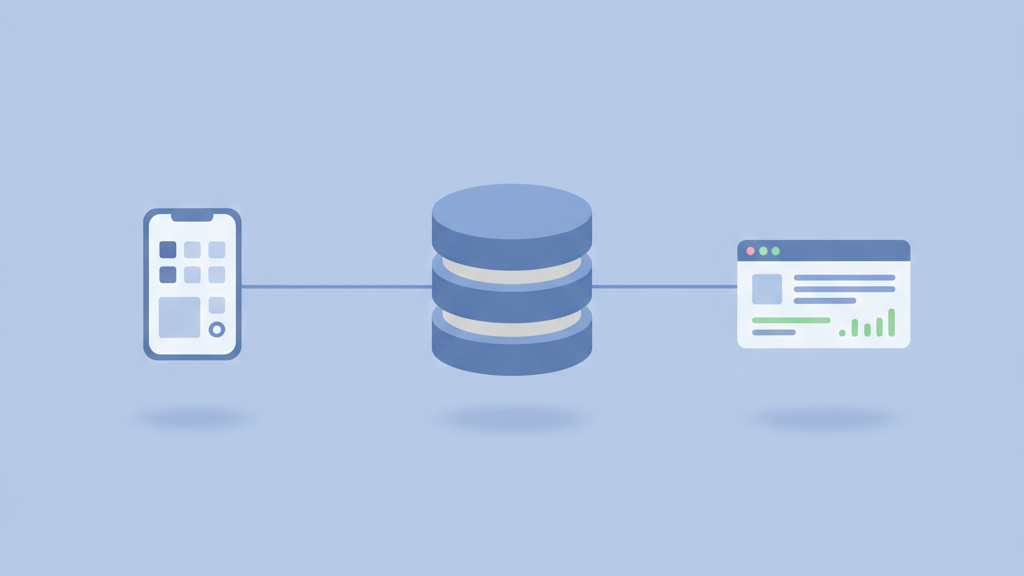
Building a data product requires more than just a dashboard. You need a solid retail analytics software MVP integration plan for startups to ensure data flows correctly from day one. Many founders focus on visuals but forget that the underlying pipeline is what provides actual value to store owners.
Identifying Core Data Sources
Finding the right data sources is the most critical step in your retail analytics software MVP integration plan for startups. Many startups miss this and try to connect to every possible platform at once. This leads to scope creep and messy data sets. You should start with one or two primary sources like a popular point of sale system or a major e-commerce provider. This approach keeps your development focused and allows for faster testing. Retailers often have data siloed in different legacy systems. Your job is to find the most accessible entry point that provides the highest immediate value. Focus on transaction history and inventory levels first. These two areas provide the most actionable insights for store owners. Many founders assume that all POS systems have clean APIs but this is rarely the case. You will likely spend a significant amount of time cleaning and normalizing data before it reaches your dashboard. Do not let this discourage you. Building a robust data ingestion layer is a core part of the process. It ensures that your platform remains reliable even as you add more complex data sources later. Take time to research the API documentation for your target platforms. Look for limitations in rate limits or data refresh cycles. These technical details will define the user experience of your product. If you ignore these constraints you will face significant performance issues later. Practical experience shows that data quality is more important than data quantity in the early stages of a product launch.
Designing a Scalable Data Schema
Once you have identified your data sources you must design a flexible data schema. This stage of your retail analytics software MVP integration plan for startups determines how easily you can scale your product. A common mistake is creating a rigid database structure that only works for one type of retailer. You need a model that can handle variations in product categories and sales tax rules across different regions. Think about how you want to aggregate data over time. Store owners want to see daily and weekly trends. They also want to compare current performance against previous months. Your database should be optimized for read heavy operations since users will frequently refresh their dashboards. We recommend using a modern cloud data warehouse for this purpose. It allows you to handle large volumes of retail data without managing physical servers. You should also consider how you will handle returns and exchanges. These transactions can complicate your revenue calculations if they are not modeled correctly from the start. A good schema will save you months of refactoring work as you grow. Start with the most essential tables and expand them as you add new features. This keeps your initial build simple and manageable. Use clear naming conventions for your columns. This makes it easier for your team to write queries and build reports. Do not overcomplicate the design by adding fields you do not need yet. Focus on the core sales and inventory data first.
- Transactional data including sales and refunds
- Product metadata like SKU details and categories
- Inventory levels across multiple store locations
- Customer demographic info for loyalty tracking
- Time based metrics for performance comparisons
Prioritizing API Security and Performance
Security is a non negotiable part of any modern software project. You are dealing with sensitive financial information and customer data. You must implement strong authentication protocols for every connection. Use industry standards like OAuth2 for third party integrations. This ensures that you do not handle user credentials directly. It also provides a better user experience for retailers who are already familiar with these flows. Many startups ignore the risks of data breaches until it is too late. You should also think about rate limiting and API usage. Retail APIs often have strict limits on how many requests you can make in a minute. If your integration is not efficient it will fail under heavy load. Implement caching layers to store frequently accessed data. This reduces the number of calls to external APIs and improves the speed of your application. You should also log every API interaction. This helps you debug issues when data does not sync correctly. Practical experience shows that API errors are the most common source of support tickets in retail software. Having detailed logs will save your development team hours of work. Focus on building a resilient connection layer that can handle intermittent failures gracefully. If a connection drops your system should retry automatically without losing data. This level of reliability is what separates professional tools from hobbyist projects. Your customers need to trust that their data is always accurate and up to date. Security and speed go hand in hand in building that trust.
Building User Focused Dashboard Logic
The frontend of your application is where the data finally becomes visible to the user. You want a clean and intuitive interface. Do not clutter the screen with too many charts. Focus on the core metrics that help a store owner make decisions. High level summaries are more useful than deep dives for an initial launch. You should ensure that your dashboard loads quickly even with large datasets. Users will get frustrated if they have to wait more than a few seconds for a page to refresh. Use modern frontend frameworks that support reactive data updates. This allows the dashboard to reflect new information as soon as it arrives in your database. You should also consider mobile compatibility. Many retail managers check their performance while they are on the store floor. A responsive design is a major selling point for startups in this space. Think about the hierarchy of information. Put the most important numbers at the top. Use simple colors to indicate positive or negative trends. Avoid complex jargon that might confuse store staff. The goal is to provide clarity not complexity. A successful dashboard tells a story about the health of the business. It helps owners spot problems before they become critical. We find that the most successful MVPs focus on three or four key metrics that drive immediate action. This keeps the user focused on what matters most.
- Real time sales tracking by store location
- Top performing products based on volume
- Low stock alerts to prevent lost sales
- Conversion rate analysis for retail stores
- Average order value trends over time
Establishing a Feedback and Iteration Loop
The final phase of your roadmap involves testing and iteration. No development plan is perfect on the first try. You need to get your product into the hands of real users as quickly as possible. Watch how they interact with the data. You might find that some charts are confusing or that they care about metrics you did not include. Use this feedback to prioritize your development roadmap. Avoid adding new features based on assumptions. Only build what your users tell you they need. This lean approach saves time and resources. It also ensures that your product remains focused on solving real problems for retailers. You should also monitor the performance of your data pipelines. As you add more users the volume of data will grow. You might need to optimize your queries or upgrade your infrastructure. This is a sign of success but it requires careful planning. Keep your codebase clean and document your integration logic. This makes it easier for new developers to join the team and contribute. A successful MVP is a solid foundation for a much larger platform. Focus on quality over quantity in these early stages. Do not be afraid to change direction if the data shows your users want something else. Flexibility is your greatest advantage as a startup. By staying close to your customers you can build a product that truly fits the market needs.