
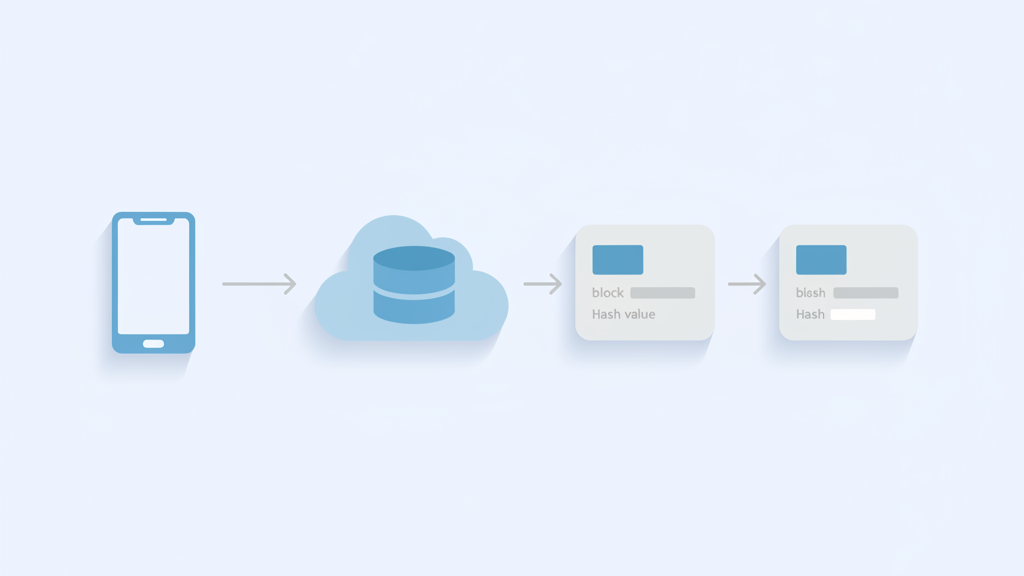
The shift toward decentralized systems is real but many teams get the execution wrong. Most people start with the technology and hope a problem exists. That is the opposite of how a successful startup works. This blockchain platform MVP development guide for founders focuses on solving real problems for real users. You do not need a complex whitepaper to start. You need a functional version that proves your core idea. In the world of Web3, the stakes are high because code is often permanent and money is involved. A simple mistake can ruin your reputation before you even launch. Our goal is to help you navigate the choice of ledger and the design of your smart contracts. We will look at how to balance decentralization with a smooth user experience. Many founders lose sight of the end user while chasing technical perfection. This guide will keep you grounded in practical product development principles. We want you to build something that people actually use every day. Start small and move fast but do not ignore the security basics.
The Reality of Finding Product Market Fit
Every startup needs to find a group of users who love their product. This blockchain platform MVP development guide for founders starts with the warning that most crypto apps fail because they are too hard to use. You might think your decentralization feature is enough but it is not. Users want speed and low costs. If your app takes five minutes to confirm a transaction, they will leave. Many startups miss this simple fact. They focus on the ledger and forget the user. Your initial launch should focus on one single feature that requires a blockchain. Maybe it is transparency in a supply chain or a unique digital asset. Do not try to build a full ecosystem on day one. Most of the famous protocols today started with a very narrow focus. You should do the same. Test your idea with a small group of users who understand the tech. Listen to their complaints about the onboarding process. Use that data to fix your product before you go to a wider audience. If your core idea does not work without a token, then you need to think about why the token is necessary. A product that only exists for a token is usually a bad business. Focus on the utility first.
Picking the Best Protocol for Your Needs
Choosing the right network is one of the most important decisions you will make. Some founders pick the most famous chain without looking at the fees. This is a big mistake. High gas fees will prevent new users from trying your app. If you are building a social app, you need a high speed and low cost network. If you are building a high value finance app, security is more important than speed. You should look at Layer 2 solutions if you want to stay in the Ethereum ecosystem. These offer the security of the main chain with much lower costs. Some people prefer newer networks like Solana or Avalanche because they are built for speed from the ground up. You also need to check the developer tools. If there are no good libraries or block explorers, your team will struggle. It is much easier to hire developers for well known languages like Solidity. If you pick a niche protocol, you will pay more for talent. Think about where your target users already keep their funds. Moving money between chains is a major pain point. If your users are already on a specific network, it makes sense to build there. Do not try to move them to a new place unless the benefit is massive.
Essential Features for Your Initial Version
You must decide what stays on the ledger and what goes into a standard database. Storing data on a blockchain is very expensive. Only the most critical items should be decentralized. This usually includes ownership records and transaction history. Your web interface can live on a standard server to keep things fast. The best MVPs focus on these core features: identity, asset management, and smart contract execution. Many founders try to decentralize the entire stack including the front end. This makes the app slow and hard to update. Keep your initial version simple so you can iterate based on feedback. If you find that users do not care about a specific feature, you can remove it easily. If that feature is locked in a smart contract, it is much harder to change. Use your budget to perfect the user flow rather than adding twenty different features. A clean and working app with one feature is better than a broken app with ten. We have seen projects spend months building features that no one used after the launch. Avoid that trap by being ruthless with your feature list.
- Secure wallet connection
- Basic asset transfer functionality
- Real time transaction status updates
- Clear audit logs for user actions
- Simple onboarding flow for non crypto users
Security and Smart Contract Integrity
Security is not a feature but it is the foundation of your entire project. In traditional software, you can push a patch if you find a bug. In Web3, once a contract is deployed, it is often permanent. A single vulnerability can lead to a total loss of user funds. This is why you must prioritize testing. Many founders think they can skip an audit to save money. This is a dangerous gamble. Even if you cannot afford a full audit from a top firm, you should have peer reviews. Use automated tools to scan for common errors like reentrancy or integer overflows. You should also set up a bug bounty program. This encourages ethical hackers to find problems before the bad actors do. Always have an emergency plan. If something goes wrong, you need a way to pause the contract or move funds to safety. This might mean including a multisig wallet for admin controls. Some people argue this is not decentralized enough. But for an initial launch, protecting user money is more important than pure philosophy. Most users will forgive a bit of centralization if it means their assets are safe.
Solving the User Experience Problem
The biggest barrier to adoption is the wallet experience. Expecting a normal person to manage a twelve word seed phrase is a bad strategy. If you want to scale, you need to make the app feel like a regular website. This is where account abstraction comes in. It allows users to sign up with an email or a social account. You can also sponsor the gas fees so users do not need to buy tokens just to try your app. This makes a huge difference in conversion rates. Many startups miss this and lose ninety percent of their visitors at the sign in screen. Your interface should use simple words. Instead of saying ‘sign transaction hash’, just say ‘confirm’. Hide the technical details under the hood. Only show the blockchain data when the user asks for it. Mobile compatibility is also vital. Most people use their phones for everything. If your app only works on a desktop with a specific browser extension, you are limiting your market. Focus on making the experience seamless and fast. Users should feel like they are using a modern app that just happens to be powered by a ledger.
- Social media and email login options
- Gasless transactions for new users
- Mobile first responsive design
- Simplified technical terminology
- Progressive disclosure of advanced features