
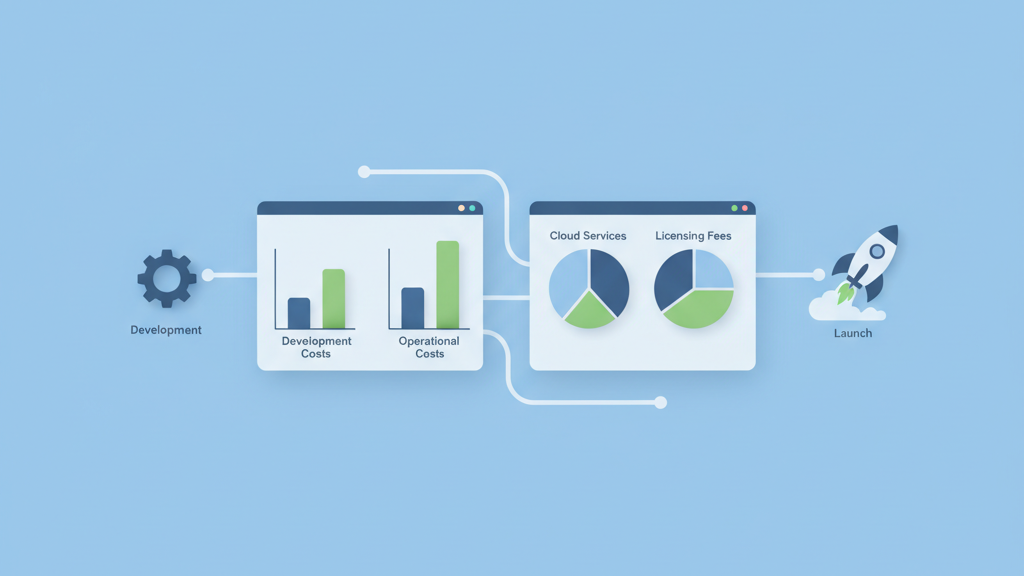
Developing a product from scratch requires a clear financial roadmap. Many founders jump into development without a full understanding of the total investment needed. This lack of planning often leads to stalled projects. A comprehensive budget breakdown for MVP launch costs in USA helps you allocate resources where they matter most. You need to account for more than just code. Design, infrastructure, and user acquisition are equally important. In this guide, we look at how to distribute your capital across the most critical development phases. This approach ensures you build a functional product without burning through your entire seed round too early.
Allocating Funds for Core Software Engineering
Engineering usually takes up the largest portion of any startup budget. You are paying for the technical architecture that supports your business model. In the United States, senior developers command high salaries because of their deep expertise in scaling systems. Many startups miss this and try to hire too many junior developers to save money. This often results in technical debt that costs more to fix later. A realistic budget breakdown for MVP launch costs in USA should prioritize quality over quantity. You want a small and highly skilled team that can iterate quickly. The choice of your technology stack also influences the long term price. Open source tools can reduce licensing fees but require specific talent. It is better to invest in a solid foundation from day one. This includes choosing between cross platform frameworks or native development based on your target audience. You should also set aside funds for API integrations and third party services. These tools speed up the build time but add to the monthly operational expenses. Effective engineering management keeps these costs from spiraling out of control during the build phase.
- Senior developer hourly rates
- Back end architecture and database setup
- Third party API integration fees
- Frontend framework implementation
- Mobile platform compatibility testing
- DevOps and deployment pipeline setup
Investing in User Experience and Product Design
Design is not just about how the app looks. It is about how the user interacts with your core value proposition. A poor interface will drive users away even if the underlying technology is perfect. You need to spend time on wireframing and prototyping before any code is written. This phase helps identify usability issues early when they are cheap to fix. Professional designers in the USA focus on accessibility and intuitive navigation. They create design systems that allow your app to grow without becoming a mess of different styles. Many founders think they can skip this or use a cheap template. This is usually a mistake because templates rarely fit a unique business logic. Custom design ensures that your MVP stands out in a crowded market. It also builds trust with your first set of users. You should plan for multiple rounds of feedback and iterations. A good design process involves user testing sessions where real people try to complete tasks on your screens. This data is invaluable for making informed decisions about which features to keep and which to cut. High quality UI design requires a significant investment but it pays off through higher retention rates and lower support costs.
Infrastructure and Security Requirements
Hosting your application is a recurring cost that starts the moment you go live. Cloud providers offer scalable solutions but the configurations can be complex. You need a dedicated budget for servers, storage, and data transfer. Security is another non negotiable expense for startups in the USA. With strict data privacy laws, you must ensure that user information is encrypted and protected. This might include paying for SSL certificates, firewalls, and regular security audits. Many founders underestimate the cost of data redundancy and backups. If your system goes down, you need a way to recover quickly without losing customer data. High availability setups cost more but protect your reputation. You should also consider the cost of monitoring tools. these systems alert your team to performance bottlenecks or downtime before users notice. Security and infrastructure are the backbone of your digital product. Investing here prevents catastrophic failures that could end your startup before it gains momentum. It is wise to work with an expert who can optimize your cloud spending to avoid surprise bills at the end of the month.
- Monthly cloud hosting and storage fees
- Data encryption and security protocols
- Regular automated backup systems
- Performance monitoring and error tracking
- Compliance and data privacy legal reviews
Project Management and Quality Assurance
Managing a software project requires constant communication and organization. A project manager ensures that the development team stays on schedule and within the budget. They bridge the gap between your business goals and the technical execution. Without this role, developers might spend too much time on features that do not add value. Quality assurance is equally vital. You cannot launch an app that crashes or has broken buttons. Professional testers find bugs that your developers might miss because they are too close to the code. This process includes manual testing on different devices and automated tests for core functions. In the USA, users have high expectations for software quality. A buggy launch can lead to negative reviews that are hard to overcome later. You should allocate at least twenty percent of your budget to these oversight roles. They act as a safety net for your investment. Good project management also involves documenting the build process. This makes it easier to onboard new developers as your company grows. Skipping QA to save money is a short sighted strategy that usually leads to higher costs post launch.
Marketing and Early User Acquisition
Building an app is only half the battle. You need a strategy to get people to use it. Marketing costs are often the most unpredictable part of a budget. You need to identify where your potential customers spend their time. This might involve paid search ads, social media campaigns, or content marketing. For startups in the USA, the cost per click can be very high in certain niches. You should start with a small test budget to see which channels perform best. This data allows you to scale your spending based on actual performance. Many founders spend all their money on development and have nothing left for the launch. This is a recipe for failure. You need to build awareness before the app even hits the store. This could include landing pages to collect emails or beta testing groups. Influencer partnerships or PR outreach can also help generate buzz. Your marketing budget should be flexible enough to pivot if your initial strategy does not work. Tracking your customer acquisition cost is essential for long term sustainability. If it costs more to acquire a user than they are worth, you will need to rethink your business model.
- Social media and search engine advertising
- Landing page development and lead capture
- Email marketing tool subscriptions
- Public relations and outreach campaigns
- App store optimization services
- Content creation and blog management
Contingency Planning and Post Launch Support
No software project goes exactly according to plan. There will always be unexpected challenges and changes. You should always include a contingency fund in your budget. This extra cash covers scope changes or urgent bug fixes after the launch. Most experts suggest a buffer of fifteen to twenty percent of the total project cost. After your app is live, you will need to pay for ongoing maintenance. This includes updating the code to work with new operating system versions. It also involves responding to user feedback and making small improvements. A budget breakdown for MVP launch costs in USA must account for this transition phase. You are moving from building a product to running a service. This shift requires a different mindset. You might need to keep a small part of your development team on a retainer. This ensures that someone is always available to handle technical issues. Regular maintenance keeps your app secure and functional for your growing user base. It also demonstrates to investors that you are committed to the long term success of the project. Plan for these costs early so you do not find yourself in a financial bind right after your biggest milestone.