
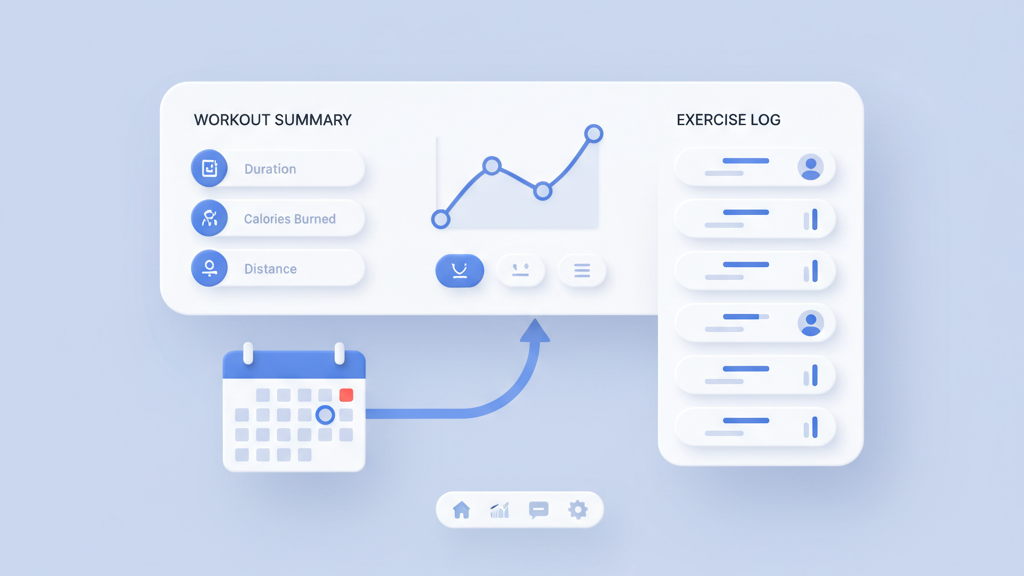
Building a successful health platform requires more than just code. It requires speed and the ability to listen to users. Many entrepreneurs are now turning to a professional development and validation approach to solve these problems. This strategy allows you to launch in weeks instead of months. It minimizes risk and maximizes learning. In this guide, we will explore how to build a fitness product that users love while keeping your development costs low. By focusing on the core value of your product, you can find a market fit faster. This is the most efficient way to enter the crowded wellness market in the USA.
Why Founders Choose Low Code for Fitness
The fitness industry is more competitive than ever before. New apps launch every day on the App Store and Google Play. For a startup founder, the biggest risk is building something that nobody wants to use. Traditional development cycles can take months or even years. This approach is expensive and often leads to failure if the market fit is not right. A FlutterFlow fitness app MVP build and user validation service for founders provides a much better path forward. This method focuses on speed and flexibility. You can build a functional version of your app in a fraction of the time it would take with traditional coding. This allows you to test your core assumptions with real users. Many startups miss this crucial step. They spend their entire budget on a polished product without knowing if the features are valuable. Low code platforms like FlutterFlow allow you to iterate based on actual data. You can change the layout or the user flow in hours. This agility is what separates successful founders from those who run out of cash. By using a professional service, you ensure the technical foundation is solid. This means your app will not crash when you start getting users. It also means you can scale the product when you find the right market fit. The goal of an MVP is to learn. The faster you learn, the faster you can win in the market. Founders in the USA need to move quickly because the capital markets are fast. If you can show growth and validation in two months, you are in a much better position to raise money. This service is designed to get you to that point without the high costs of a full engineering team. You get a product that looks and feels premium but is built with lean principles in mind. It is a smarter way to build for the future.
Essential Features for a Fitness MVP
When you build a fitness MVP, you must prioritize features that provide immediate value. A common mistake is trying to compete with giant apps like Strava or MyFitnessPal on day one. Instead, you should focus on a unique angle. This might be a specific type of workout or a new way to track progress. FlutterFlow makes it easy to integrate essential features quickly. You can add workout timers and custom exercise libraries without writing thousands of lines of code. This leaves more time for you to focus on the user experience. You can also include social features like leaderboards or activity feeds. These elements keep users engaged and coming back to the app. A specialized build and validation service helps you identify which of these features actually drive retention. You can use analytics to see which parts of the app are most popular. This data allows you to cut the features that do not work. You should always be ready to pivot based on what your users tell you. The platform supports complex interactions like drag and drop or swipe gestures. These make the app feel modern and intuitive. You can also use conditional visibility to show different content to different users. For example, a beginner might see a different workout than an advanced athlete. This level of personalization is easy to implement in a visual builder. It helps you stand out in a crowded market. Many founders think they need custom code for these features, but that is rarely the case anymore. It is about working smarter and focusing on what matters to the athlete.
- Custom workout logging and history tracking
- Real time progress charts and data visualization
- Integration with external wearables and health sensors
- Secure user profiles and social activity feeds
- Subscription management and payment gateways
Strategies for User Validation
User validation is the most important part of the MVP process. It is the process of proving that your app solves a real problem for real people. Many founders skip this because they are afraid of negative feedback. However, negative feedback is actually a gift. It tells you exactly what you need to change to succeed. Many founders fall in love with their first idea and ignore early data. This is a dangerous mistake. You should launch your MVP to a small group of beta testers. Watch how they use the app without giving them any instructions. If they get stuck, you know your interface needs work. If they stop using the app after two days, you know your core value proposition is weak. Using a professional service gives you the tools to gather this information quickly. You can use tools like Hotjar or Mixpanel to track user behavior. You can also send out automated surveys within the app. The key is to be objective about the results. Do not ignore the data just because it contradicts your vision. The most successful startups are the ones that adapt to their users. Validation also helps you build a community. Early adopters like to feel like they are part of the development process. Their loyalty will be your biggest asset when you eventually launch to the public. You should focus on quantitative data like daily active users and qualitative data like interview notes. This dual approach gives you a complete picture of your product health. Many people think validation is a one time event, but it is actually a continuous cycle. You should always be testing new ideas and refining old ones. This keeps your product fresh and relevant to your target audience. You will save thousands of dollars by avoiding the wrong path.
Technical Architecture and Data Security
Technical excellence is still required even in a low code environment. FlutterFlow uses the Flutter framework which is known for its high performance. This ensures that your app feels smooth and responsive on both iOS and Android. You need a robust backend to handle user data and content. Firebase is often the best choice for this. It provides a scalable database and secure authentication out of the box. You can also use cloud functions to handle more complex logic. This setup allows you to focus on the frontend while the backend stays stable. A professional service will ensure that your database architecture is clean. This prevents technical debt that can slow you down later. You should also consider how the app will handle offline mode. Many users exercise in places with poor internet connections. Your app should still allow them to log their workouts and see their plans. This level of detail makes your MVP feel like a finished product. You can also integrate with third party APIs for things like nutrition data or wearable syncing. FlutterFlow allows for custom API calls that return JSON data. This data can then be mapped to your UI components effortlessly. This makes it possible to build very sophisticated apps without a large engineering budget. Most startups fail because they overcomplicate their tech stack too early. By keeping it simple with Firebase and FlutterFlow, you maintain the ability to move fast. It is the best way to manage technical resources while staying agile.
- Scalable Firebase database architecture
- Secure user authentication and data privacy
- Offline data caching for workout logging
- Custom API integrations for third party services
- Optimized performance for cross platform stability
- Automated deployment pipelines for quick updates
Scaling Your App Post Launch
Moving beyond the MVP requires a long term vision. Once you have validated your idea and gained a user base, you can start adding more advanced features. This might include AI driven workout plans or deep integrations with other health platforms. FlutterFlow makes this transition easy because it generates clean Dart code. You can export this code and move it to a traditional development environment if you ever need to. This means you are never locked into the platform. Most founders find that they can stay on FlutterFlow for a long time. It is powerful enough to handle apps with millions of users. You should continue to use the same validation principles as you grow. Every new feature should be tested and measured. This keeps your app lean and focused. It also ensures that you are always providing value to your users. Building a fitness app is a journey, not a destination. You must be willing to learn and grow along with your audience. The foundation you build during the MVP phase will determine your success in the future. If you have a solid codebase and a validated business model, you are ahead of ninety percent of other startups. Investors love to see this kind of disciplined approach. It shows that you are a serious founder who values capital efficiency. You should always be looking for ways to improve the user experience while maintaining the speed of development. This balance is the key to long term growth in the tech industry. It is a path to sustainable success that allows you to outpace the competition without burning through your funding.