
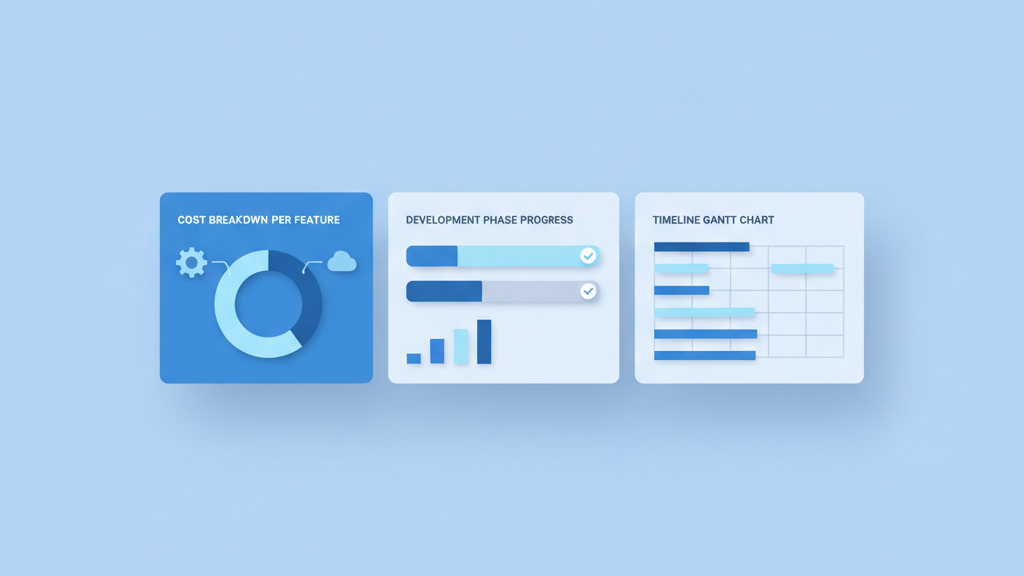
Launching a new product as a startup can feel overwhelming. The idea of building something incredible often clashes with the reality of limited resources. This is where a Minimum Viable Product, or MVP, shines. An MVP allows you to test your core idea with real users without spending a fortune or waiting years. Understanding the MVP development cost timeline and budget USA specifics is crucial for any founder looking to make a smart investment. This guide will help you navigate the essential steps and financial considerations to bring your vision to life efficiently.
What Exactly is an MVP and Why Does it Matter?
An MVP is not just a ‘bare bones’ version of your product. It is the version of a new product which allows a team to collect the maximum amount of validated learning about customers with the least effort. Think of it as your product’s core essence, built with just enough features to solve a key problem for early adopters. Many startups miss this crucial distinction, trying to cram too much into their initial release. This approach helps you validate market demand, gather critical user feedback, and refine your concept before committing extensive resources. It is about smart experimentation, minimizing risk, and ensuring your eventual full product truly resonates with your target audience. This focused beginning directly impacts your overall development expenditure.
Key Factors Influencing MVP Development Cost in the USA
The price tag for an MVP can vary widely, much like buying a car. Several factors significantly influence the MVP development cost in the USA, making it essential to understand where your budget will likely go. Geographic location plays a major role, with development rates in tech hubs like Silicon Valley or New York often higher than in other regions. The complexity and number of features you choose to include in your MVP are perhaps the biggest drivers. Every additional feature adds development hours. The choice of technology stack, whether it is standard web, mobile, or something more niche, also impacts cost due to differing expertise requirements. Finally, the development team’s experience level and size will dictate the hourly or project rates. Be realistic about what you need versus what would be nice to have.
- Feature set complexity and number
- Technology stack chosen for development
- Geographic location and labor rates of the development team
- Team size and individual experience levels
- Third party integrations and APIs required
Understanding the MVP Development Timeline
Just as important as cost, the timeline for your MVP development in the USA is a critical planning component. Typically, an MVP project can take anywhere from 3 to 9 months, depending on its scope and the team’s efficiency. This period includes discovery, design, development, testing, and deployment. Projects often run longer than initially anticipated due to unforeseen technical challenges or scope creep. It is vital to maintain strict control over your feature list to avoid extending the timeline unnecessarily. Agile methodologies are often favored for MVP projects because they allow for iterative development, frequent feedback, and quick adjustments, which helps keep the project on track and within a predictable timeframe. Remember, speed to market is often a competitive advantage for startups.
Budgeting for Your MVP: A Practical Approach
Creating a realistic budget for your MVP is not just about guessing a number. It requires careful planning and a deep understanding of your priorities. A common mistake is underestimating the buffer needed for unexpected expenses. Always allocate an additional 15-25% of your total estimated cost for contingencies. Consider breaking down the project into smaller, manageable phases with clear deliverables for each. This allows for better cost control and provides natural checkpoints for evaluation. Focus your budget on core functionalities that address your primary user problem, saving advanced features for later iterations. This disciplined approach helps manage the MVP development cost timeline and budget USA startups often struggle with, ensuring financial sustainability.
- Allocate a contingency budget of 15-25 percent
- Prioritize core features that solve a single problem
- Break down the project into smaller, trackable phases
- Consider ongoing maintenance and hosting costs
- Invest in thorough discovery and planning upfront
The Role of Team Structure and Location in Cost
The choice of your development team significantly impacts your MVP budget in the United States. You generally have a few options: hiring an in-house team, working with a local agency, or outsourcing. In-house teams offer maximum control but come with high overheads like salaries, benefits, and office space. Local US agencies provide expertise and convenience but often at a higher hourly rate. Offshore or nearshore outsourcing can present cost savings, but communication and time zone differences need careful management. For a US-based startup, balancing quality, cost, and communication effectiveness is key. Many find a hybrid approach, combining local project management with distributed development talent, can offer the best of both worlds, optimizing the budget without sacrificing quality or speed.
Beyond the Launch: What Comes After Your MVP?
Launching your MVP is just the beginning, not the end, of your product journey. Once your MVP is live, the real work of gathering user feedback and iterating begins. This feedback loop is essential for informing your next development phases, often called MVP 2.0 or subsequent product iterations. These phases will add more features, refine existing ones, and scale your product based on actual user behavior and market demand. You will need to budget for ongoing maintenance, support, and continuous improvement. Planning for post-MVP development ensures your initial investment leads to a sustainable and successful product. A well executed MVP sets the foundation for future growth and allows you to adapt to market needs dynamically.