
Many founders waste their capital on building features that nobody wants. They spend months in development only to realize the market has moved on. We offer a different path at Indent Technologies. Our strategy revolves around one key service. That service is Prototype Development for Startups: Bring Your App Idea to Life. We help you build a visual model that looks like a real app. This allows you to test your concept with real people before you write a single line of code. It is the fastest way to turn an abstract idea into something you can hold in your hand. This method is the core of smart product management. If you want a related deep dive, read How To Validate Market Fit FlutterFlow travel booking app MVP product strategy and validation service.
The Logic of Starting Small
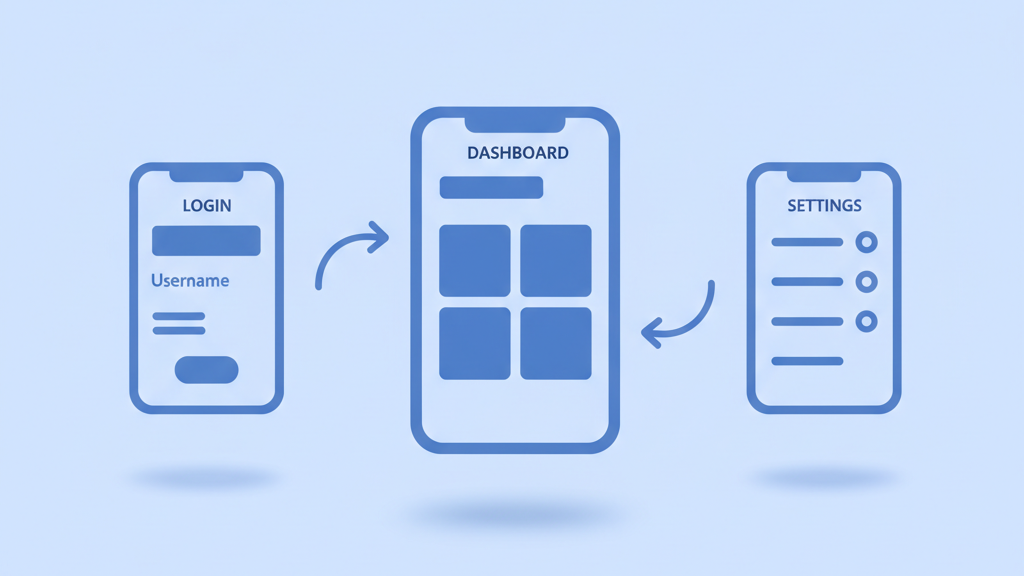
Founders often feel a sense of urgency when a new idea strikes. They want to hire a full team and write code immediately. This is usually the moment where the most capital is wasted. In my experience, the smartest way to begin is by focusing on validation. You need to know if the market actually wants the solution you are proposing. The most logical step is Prototype Development for Startups: Bring Your App Idea to Life. It serves as the vital bridge between a thought and a physical product. It allows you to visualize the user journey without the massive overhead of a backend. You can see how a user moves from a login screen to a dashboard. You can identify friction points where a user might get confused. Many startups miss this stage because they think it slows them down. The opposite is actually true. A well designed prototype speeds up every future stage of the build. It gives you a roadmap that is based on visual reality rather than abstract concepts. It also helps you communicate with your founding team. Everyone sees the same vision on the screen. There is no room for misinterpretation when you can click through the flow yourself. We have seen founders save tens of thousands of dollars just by spending a week in the prototyping phase. It is the most effective way to protect your runway and ensure your product has a reason to exist in a crowded market. For a practical follow-up, see How To Build A Realistic App Prototype Cost Estimate For Early Stage Startups.
High Fidelity Models and Functionality
There are several ways to approach this process depending on your current stage. Some founders start with low fidelity sketches which are just basic outlines of screens. These are great for internal brainstorming. However, if you want to impress someone else, you need a high fidelity model. We specialize in creating high fidelity clickable prototypes. These look and feel like a finished application. We use modern tools like FlutterFlow to build these models. This approach gives you a distinct advantage. You do not just get a design file that sits on a computer. You get a functional APK that you can actually install on an Android device. You can walk into a meeting and hand your phone to a potential partner. They can experience the animations and transitions just like a real user would. This creates a psychological shift in how people perceive your startup. You are no longer just a person with an idea. You are a person with a product that is ready to move. This level of detail helps in identifying technical hurdles early. You can see if a specific layout works on a small screen. You can test if the navigation menu is intuitive. High fidelity work closes the gap between imagination and engineering. It is the gold standard for modern product development. If you need implementation support, explore Mobile app development.
- Interactive screen transitions
- Installable APK files for testing
- High fidelity UI designs
- Realistic user flow simulations
- Responsive web preview links
Standing Out During Investor Pitches
Securing early stage funding is one of the hardest parts of the startup journey. Investors see hundreds of pitch decks every month. Most of these decks look the same and promise the same results. To stand out, you need to show rather than tell. A static slide showing a mockup is fine, but a clickable prototype is better. When you can demonstrate a live flow during a pitch, you prove that you have done the work. It shows that you understand your user interface and the specific problem you are solving. Investors are looking for de-risked opportunities. A prototype de-risks the product side of the equation. It proves that the logic of the app works. It also shows that you are capable of executing a vision. Many founders struggle to explain complex features in words. A visual model solves this problem instantly. You can simply show the investor how the feature works. This leads to much more productive conversations about scaling and business models. Instead of arguing about whether a feature is possible, you are looking at a working example of it. This builds a massive amount of trust and credibility. It can be the difference between a polite no and a follow up meeting. Teams moving from strategy to execution can review MVP development for startups.
Reducing Development Costs and Risks
The cost of development is a major concern for any bootstrapped company. If you go straight to a full build, every change costs money. Developers have to rewrite code and update databases. In the prototyping stage, changes are fast and cheap. You can move a button or change a color in minutes. This flexibility is vital during the early discovery phase. We keep our process streamlined to help founders get to market as fast as possible. Our goal is to provide a professional level output at a fraction of the cost of a full build. We focus on the most important parts of your app. This might be the onboarding flow or the main transaction screen. By focusing on these core elements, we help you define your unique value proposition. You can then take this model to your users and get real feedback. This feedback is the most valuable asset you have. It tells you what to build next and what to ignore. Avoiding the building of useless features is the best way to save money. We have seen many projects fail because the founders built too much too soon. A structured prototyping phase prevents this trap. It keeps your budget focused on what matters most to your users.
- Rapid iteration on UI elements
- Focus on core value propositions
- Cost reduction for future coding
- Direct user feedback loops
- Elimination of unnecessary features
Transitioning from Model to MVP
The transition from a prototype to a Minimum Viable Product is a critical stage. Many people think they have to start from scratch once the prototype is done. If you use the right tools, this is not true. Because we use FlutterFlow, the work we do in the initial stages sets the stage for the actual application. The design assets and the logic flows are already established. This makes the handoff to developers much smoother. They do not have to guess how a button should behave or where a link should lead. They have a clear visual and functional guide to follow. This reduces the number of bugs and misunderstandings during the coding phase. It also helps in creating a more accurate timeline for the full build. When the scope is clearly defined, the developers can give you a better estimate of the work involved. This leads to fewer surprises and a more stable budget. A prototype is essentially a blueprint for your house. You would never start building a house without a clear set of drawings. Software development should be treated with the same level of planning. It ensures that the final product looks and functions exactly as you intended. A related guide worth reviewing is Micro SaaS Software MVP For Niche Productivity Tools That Work.
Why Professional Execution Matters
We have worked with founders across many industries including fintech and healthcare. Each industry has its own specific requirements for user experience. For a fintech app, security and clarity are the most important things. For an edtech app, the focus might be on engagement and ease of navigation. Our approach adapts to these needs. We help you think through the specific challenges of your niche. We also provide practical warnings about over-engineering your initial model. It is tempting to try and include every possible feature in your first demo. This usually results in a cluttered experience that confuses your testers. We recommend focusing on the one thing your app does better than anyone else. This creates a much stronger impression on users and investors. Once you have mastered that one thing, you can look at adding more complexity. We are here to guide you through these decisions. Our team provides support from the first wireframe to the final clickable model. We want to see your startup succeed and we believe that a strong foundation is essential. Our services follow a clear list of goals:
- Industry specific design patterns
- Guidance on feature prioritization
- Clear user journey mapping
- Strategic advice for product growth
- Professional design aesthetics