
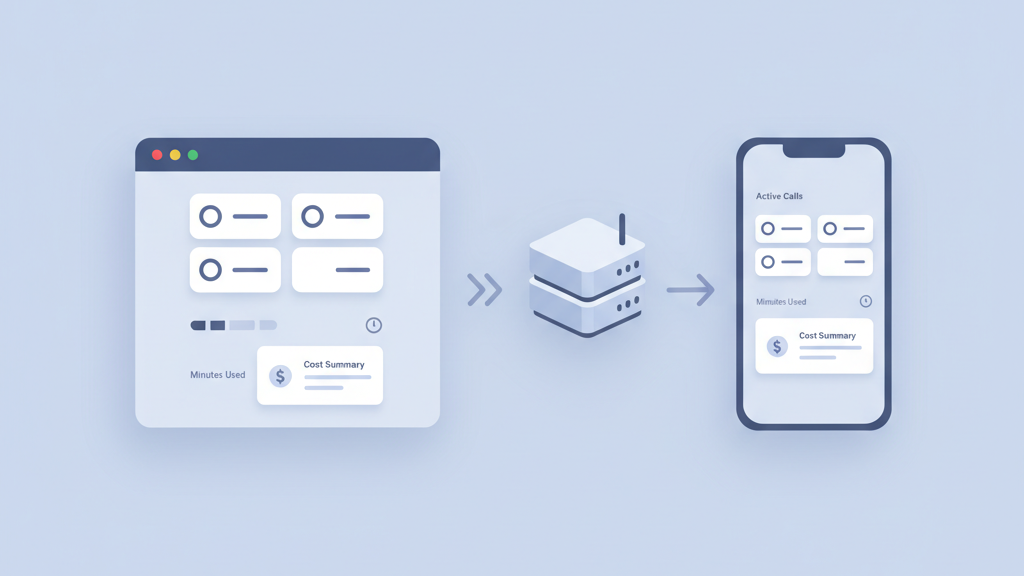
As a founder you will ask how much is a lean build. This article explains video call app mvp development cost in clear terms. You will get realistic ranges, main cost drivers, and concrete ways to shrink bills without killing quality. I include example budgets and a tactical hiring plan. Many startups underestimate hosting and vendor fees, so be prepared to update estimates after a short spike.
Why Costs Vary
Estimating a video product takes more than a stopwatch. Early stage founders need a clear budget to avoid late surprises. Costs depend on user scale, video quality, platform choices, backend infrastructure, and third party services. Building a basic prototype that handles one to one calls is cheaper than a multi party system with recording and moderation. Many startups miss recurring fees for hosting, bandwidth, and SDK licenses. I recommend budgeting buffer for platform changes and unknown technical debt. This short guide breaks costs into practical buckets and gives realistic figures for each area. It is not a quote but it helps founders plan investor conversations. Expect to update numbers once you choose an architecture and run a short spike. A small deliberate prototype will teach more than a long uncertain build. If you need implementation support, explore Software maintenance and scaling.
- Platform scope determines engineering time
- Call complexity drives media work
- Vendor choices set recurring fees
- Compliance and security add hidden costs
Key Cost Drivers
Price comes from five main drivers that shape the final number. First is platform scope, native apps cost more than web only. Second is call complexity, one to one video is straightforward, group calls and recording add time. Third is infrastructure, whether you use a managed SDK or run your own media servers changes hosting and ops costs. Fourth is features, chat, screen share, encryption, and analytics each add development and testing effort. Fifth is compliance, you may need HIPAA or other certifications which increase legal and engineering work. Each driver affects both one time development and ongoing monthly spend. Tradeoffs matter a lot. Picking a managed video provider keeps initial costs low but raises recurring fees. Running your own stack lowers per month vendor costs at scale but raises early engineering spend. Many teams pick hybrid paths that balance those tradeoffs. Teams moving from strategy to execution can review FlutterFlow development.
- Platform scope affects build time
- Group calls and recording increase complexity
- Managed SDKs raise recurring costs
- Compliance adds legal and engineering work
Sample MVP Budget
A realistic MVP budget for a one to one video call app varies by team and choices. For a small outsourced build expect initial engineering fees between 40k and 100k for a simple prototype that covers mobile and web, basic signaling, and stable one to one video. Add 10k to 30k for design, testing, and project management. If you use a managed SDK expect monthly vendor fees from 200 to 2000 depending on minutes and users. Hosting and CDN can add 100 to 1000 per month early on. Legal and privacy work may cost 5k to 20k for standard terms and consulting. Building multiparty calls, recording, or enterprise features can double or triple development cost. These numbers are rough and depend on developer rates, time zone, and quality expectations. Many founders underestimate the recurring spend and bandwidth costs. If you want a related deep dive, read How To Budget An MVP For Early Teams (enterprise app MVP pricing for small businesses USA).
- Expect 40k to 100k for a simple outsourced prototype
- Design and PM add 10k to 30k
- Vendor fees range with minutes and users
- Hosting and CDN add monthly costs
Ways To Reduce Cost
You can trim the initial bill with deliberate choices. Start with web first to validate product market fit before native apps. Use a managed video SDK to avoid complex media engineering and commit to vendor fees later. Limit scope to core flows and delay recording, moderation, and advanced moderation features. Use open source components where safe but watch maintenance costs. Build a feature toggle system so you can ship fast and iterate on usage data. Invest in simple automated tests to reduce manual QA time. Consider a short paid pilot with a trusted customer to cover early hosting costs. Many founders forget to budget for spikes during growth. A clear rollback plan keeps mistakes cheap. These are practical tradeoffs not silver bullets. For a practical follow-up, see Uncovering the Untold Tactics: Navigating MVP Iteration for Product-Market Fit.
- Start web first to validate demand
- Use a managed SDK for faster delivery
- Delay recording and advanced features
- Automate basic tests to cut QA time
- Run a paid pilot to offset early costs
Hiring And Timeline
To move from estimate to reality map a clear timeline and hiring plan. Start with a two to four week discovery and spike to validate the chosen SDK and a short demo. Then plan sprints for core features in 6 to 12 weeks with weekly milestones and continuous testing. Hire a small team that includes a backend engineer familiar with media servers or SDKs, a frontend developer for web and mobile, and a product designer. You will need QA and devops support as the prototype grows. Agencies can deliver quickly but they cost more per hour. An in house team may be cheaper long term but costs more up front. Many founders over hire early. Keep hires lean and hire contractors for spikes. Set clear acceptance criteria for each sprint so you avoid scope creep. A related guide worth reviewing is Steps to Create a Lean Prototype for Startups That Validate Fast.
- Run a two to four week discovery spike
- Plan 6 to 12 week sprints for core features
- Hire a backend, frontend, and designer
- Use contractors for short spikes