
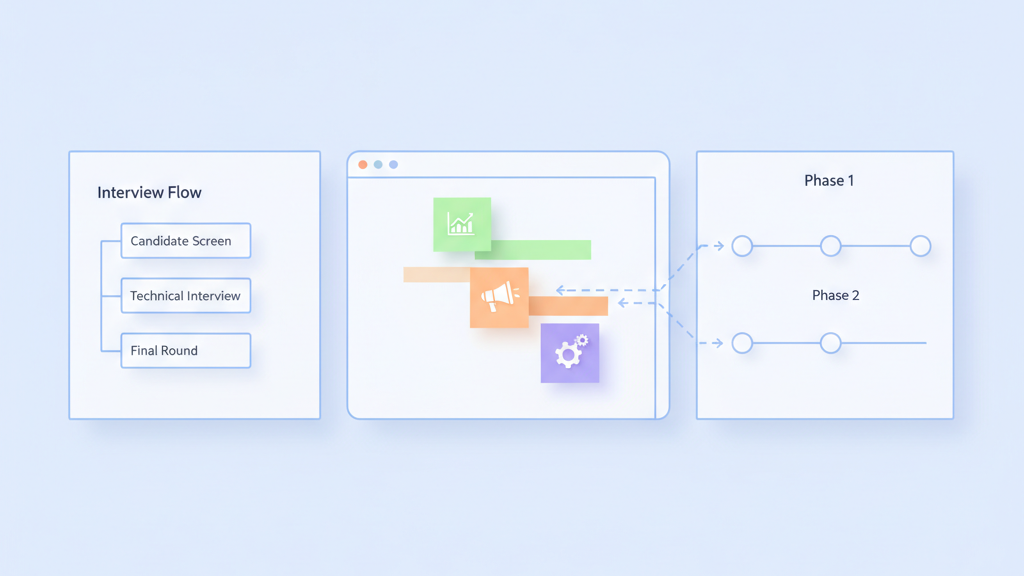
This guide to customer discovery for first time founders walks through practical steps that early stage teams can start using today. You will get a clear playbook for planning interviews, crafting questions, recruiting participants, and turning conversations into priorities. The aim is fast learning not perfect research. Many founders skip basic discovery and later build features people do not need. Read this with a recorder and a notebook. The tactics are designed for tight timelines and small budgets. Expect messy data and surprising feedback. That is normal and useful. The point is to reduce risk and make smarter bets about product direction. Use the steps that fit your team and iterate quickly. If you want a related deep dive, read Uncovering the Untold Tactics: Navigating MVP Iteration for Product-Market Fit.
Why Start With Discovery
Customer discovery is the most efficient way to find real problems worth solving. Many teams assume they know their user and then build features that miss the mark. Discovery forces you to test assumptions and collect evidence before you spend engineering time. It helps you catch hidden constraints, pricing objections, and workflow quirks that matter in the real world. The goal is not to confirm your idea. The goal is to learn what is true and what is not. You will hear contradictions and edge cases. That is productive. Embrace doubt and use it to refine hypotheses. In practice start small and iterate on your interview guide as you learn. The faster you adapt the more useful the insights will be. For a practical follow-up, see How To Budget An MVP For Early Teams (enterprise app MVP pricing for small businesses USA).
- Treat discovery as a risk reduction exercise
- Start with a small set of hypotheses
- Expect and track contradictions
- Iterate your approach after five interviews
Plan Your First Discovery Sprint
A focused sprint keeps discovery practical and on schedule. Pick one week or two to run a set of interviews with a single hypothesis in mind. Define the user segment, the key assumption you want to test, and success signals you will measure. Book short 30 to 45 minute calls to lower friction for participants. Assign roles on the team so someone asks questions, someone takes notes, and someone looks for follow up opportunities. Budget time for synthesis the day after interviews. Many startups waste insights by delaying analysis. A sprint mentality also helps you close the loop on learning and decide on a next experiment within days. Small fast loops beat long drawn out research. A related guide worth reviewing is What Customers Really Want: Decoding User Feedback for MVP Success.
- Run a one or two week sprint
- Limit scope to one hypothesis
- Assign interviewing and note taking roles
- Schedule synthesis right after interviews
Craft Questions That Reveal Behavior
Good questions are specific, open, and tied to behavior rather than opinion. Avoid asking what someone thinks they want. Instead ask about the last time they faced the problem, what they tried, and what trade offs they made. Use prompts that encourage stories and timelines. Follow up on details and numbers whenever possible. Keep your script flexible so you can pursue unexpected threads. It is okay to silence your own assumptions and let the user lead for a moment. Practice neutral phrasing and avoid leading language. Many founders unintentionally sell their idea during interviews. That ruins the signal. Stay curious and record examples you can later quote in synthesis. If you need implementation support, explore Mobile app development.
- Ask about recent real events not hypotheticals
- Probe for steps, timing, and alternatives
- Use follow up questions to get specifics
- Avoid pitching during interviews
Recruit Participants Who Match Your Risks
Recruitment is where discovery either succeeds or fails. Focus on people who face the problem you are testing and who make the decision you want to influence. Use existing networks, social groups, and paid panels with care. Cold outreach can work but expect lower response rates. Incentives should be appropriate to the audience and the ask. Screen quickly with a short qualifier to avoid wasting time on mismatches. Aim for quality over quantity when you are early. Five to ten well matched conversations beat fifty irrelevant ones. Track where your participants came from so you can repeat what worked. Many teams assume a broad sample early and end up drowning in noise. Teams moving from strategy to execution can review MVP development for startups.
- Target participants who actually live the problem
- Use short screening questions to qualify leads
- Offer modest incentives when needed
- Log recruitment channels for later scaling
Run Interviews That Produce Usable Notes
Run interviews with a light plan and a focus on listening. Start with rapport then move to specific scenarios and outcomes. Record with permission to avoid missing details. Take structured notes that map comments to hypotheses and signals. Use a shared template to keep notes comparable across interviews. After each call summarize three key findings while they are fresh. Schedule a short debrief with your team to highlight surprises and disagreements. Avoid long solo analysis that delays decisions. Consistent, time boxed debriefs make it easier to synthesize patterns. You will find that small consistent habits in interviewing yield more repeatable insights than rare deep dives.
- Open with rapport and clear expectations
- Record with consent and take structured notes
- Summarize three findings after each call
- Do rapid team debriefs to capture surprises
Synthesize Insights and Move Fast
Synthesis turns raw conversations into decisions. Cluster notes into themes and map quotes to supporting evidence. Look for recurring problems, shared language, and repeated workarounds. Prioritize insights by frequency and impact on your business model. Translate themes into testable experiments like prototypes, pricing tests, or landing pages. Define clear success criteria and a timeline for each experiment. Many founders collect insights but never translate them into experiments. That is a missed opportunity. Move from learning to doing quickly. Re run discovery after a round of experiments to confirm whether your changes reduced risk and improved outcomes.
- Cluster notes into themes and evidence
- Prioritize by frequency and business impact
- Turn themes into concrete experiments
- Re test after experiments to confirm impact