
Building a marketplace is a difficult task because you must manage two different groups of users at the same time. Many founders fail because they build features before they have proof of demand. A structured consumer marketplace app MVP testing roadmap for startups helps you identify the core needs of your buyers and sellers. This process saves time and money by focusing on real market behavior rather than guesses. By following a clear roadmap, you can move from a simple concept to a functional product that people actually want to use. We will explore how to test your assumptions and grow your user base efficiently.
Start with Problem Validation
Most marketplace failures do not happen because of bad code. They happen because there is no real demand for the service. Many startups miss this simple fact and spend months building a complex platform. You must validate the problem before you build the solution. A proper consumer marketplace app MVP testing roadmap for startups begins with deep user research. Talk to forty people. You should split this group between buyers and sellers. Ask them about their current frustrations. Do not ask if they like your idea because people are often too polite to be honest. Ask them how much they spent to solve the problem last month. This data gives you a real look at the market. If people are not already trying to solve the problem with messy workarounds, they might not need your app. Look for groups on social media or forums where people are manually trading goods or services. These are your early adopters. Your goal is to move their existing behavior to your platform. If you cannot find these people, your marketplace might not have enough liquidity to survive. This phase is about gathering evidence, not writing code. You want to prove that a transaction is waiting to happen.
Testing the Value Proposition for Both Sides
Once you know the problem is real, you need to define the value for both buyers and sellers. Marketplace growth depends on liquidity. You cannot have buyers without sellers. You cannot have sellers without buyers. This chicken and egg problem kills most early apps. Your testing roadmap must address how you will attract the first ten users on each side. Focus on a very small niche first. It is better to be the best marketplace for one city or one specific hobby than a mediocre tool for everyone. These specific tests will show you which features are actually necessary. You might find that buyers care more about speed while sellers care more about low fees. These insights allow you to build the right MVP. Many founders try to launch to a whole country at once. This is a mistake. It dilutes your marketing budget and makes it hard to create a sense of community. Start small and win a tiny market before you try to scale.
- Identify one specific niche for your initial launch.
- Create a landing page to track sign up rates.
- Run small ads to see if people click on your offer.
- Measure the cost of acquiring one potential user.
- Interview people who signed up to understand their motivation.
The Manual Concierge Approach
Supply quality often determines the success of a new platform. If your sellers are slow or unreliable, buyers will leave and never come back. You need to test your supply side early. Some founders use manual processes to simulate the app experience. This is often called the concierge MVP approach. You act as the middleman manually connecting buyers and sellers. This helps you understand the friction points in the transaction. You might find that sellers need better tools to manage their inventory. You might find that buyers care more about trust than price. These insights are gold. They allow you to build the right features in the next version of your app. Do not automate anything until you have done it manually five times. This manual work helps you see the small details that software often hides. You will learn more from ten manual transactions than from a thousand automated ones. It is a slow process, but it builds a solid foundation for your technical roadmap.
Technical Performance and User Flow Analysis
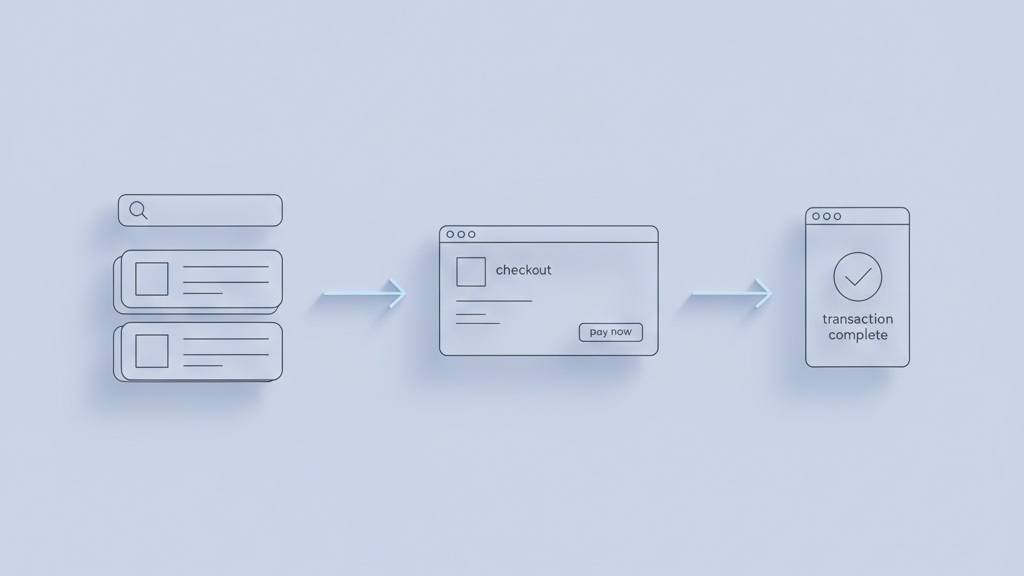
After manual testing, you need to see how users interact with a basic interface. This is where you look at the technical roadmap. The goal is not a perfect app. The goal is a functional tool that does not crash. Startups often overbuild their first version. They add social feeds and complex profiles that no one uses. Focus on the transaction flow instead. Look at the number of steps it takes to buy something. Observe how easy it is for a seller to list an item. Use analytics tools to see where people get stuck. If half of your users drop off at the payment screen, you have a major problem to solve. You should also test the app on different devices. A marketplace that only works on high end iPhones will miss a large part of the market. Keep the design simple and focus on the core action. Every button that does not lead to a transaction is a distraction.
- Track the conversion rate from landing to purchase.
- Monitor how many users return after the first week.
- Identify the most common point of user drop off.
- Test the app on multiple screen sizes and devices.
- Check the speed of your search results and listings.
Validating Monetization and Revenue Models
You must test if people will actually pay for your service. Many startups miss this because they are afraid of charging money too early. However, a marketplace is not a business unless transactions happen. You should test your pricing model during the MVP phase. It does not matter if you use a commission model or a subscription model. What matters is the willingness to pay. Even a small fee can change user behavior. If users stop using the app when you introduce a fee, your value proposition is not strong enough. This testing phase helps you project future revenue and attract investors. It is better to find out your pricing fails now rather than after spending a million dollars on development. You can offer discounts to early users to see if they stick around. This helps you understand the long term value of a customer. Revenue is the ultimate validation of any business model.
Creating Feedback Loops for Long Term Growth
The final part of your consumer marketplace app MVP testing roadmap for startups involves building a feedback loop. You need a way to gather honest opinions from your early adopters. This is not just about bugs. It is about how the product fits into their life. Use surveys and direct calls to get this information. Be prepared to pivot if the data shows a different path. Many successful marketplaces started as something else entirely. Use the data to decide which features to build next and which to delete. Clean code and a clean feature set will help you scale faster in the long run. Do not be afraid to remove features that nobody uses. A lean product is easier to maintain and faster to update. Your users will tell you exactly what they want if you listen closely to their actions and their words.
- Send automated surveys after the first transaction.
- Schedule weekly calls with your top power users.
- Create a public roadmap to show users upcoming changes.
- Analyze support tickets for recurring technical issues.
- Rank new feature requests based on user impact and cost.