
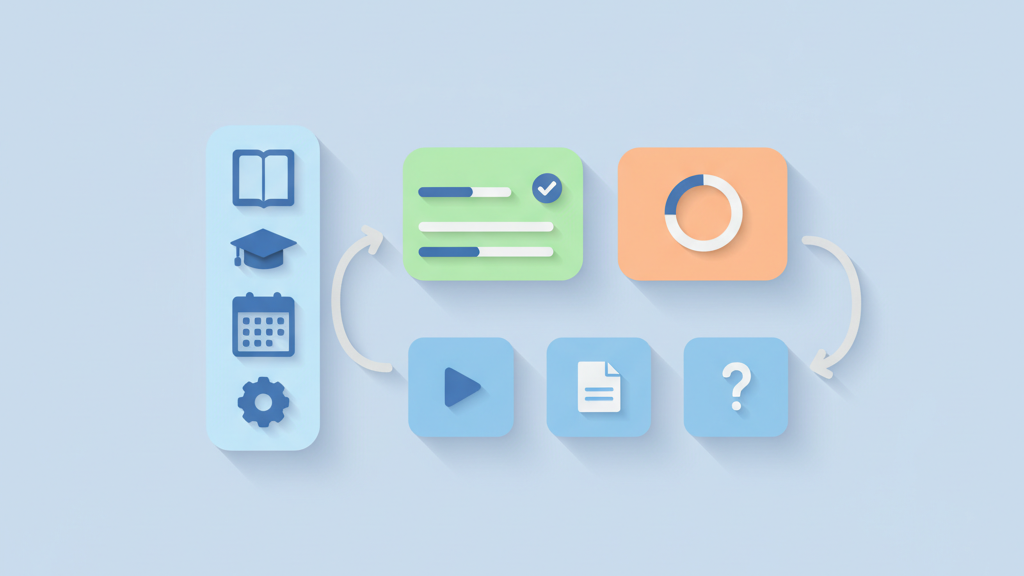
The education market in the United States is growing rapidly and founders are eager to innovate. However, launching a platform requires more than just a good idea. You need a clear edtech application MVP build plan for US startups to navigate the complex requirements of schools and learners. Many founders make the mistake of building too many features at once. They spend months on tools that users never touch. A better approach is to focus on a single problem and solve it perfectly. This allows you to gather data and improve your product based on real feedback. By keeping your initial version lean, you save time and capital while building a foundation for future growth.
Finding the Right Problem to Solve First
Before you write a single line of code, you must understand who your user is. Many startups miss this and build features that look good but do not solve actual problems in a classroom. Teachers and students have busy schedules and they do not want to learn a difficult new system. You should spend time talking to educators in the US market to see where they struggle. Some might need better ways to track grades while others might want a better way to share video lessons. In my view, the most successful platforms are the ones that save time for the teacher. If you can give an instructor ten minutes of their day back, they will become your biggest supporter. Do not try to solve every problem in the education system at once. Pick a specific niche like early childhood reading or corporate training and master it. This narrow focus makes your development process much faster. It also helps you create marketing messages that actually resonate with your audience. Avoid the temptation to look at what giant companies are doing. Your advantage as a small startup is your ability to be nimble and serve a small group better than anyone else. Once you have a loyal group of users, you can expand your scope. For now, focus on the one thing that will make your platform essential for your target audience.
Essential Features for Your First Version
A successful edtech application MVP build plan for US startups focuses on core functionality that delivers immediate value. You do not need fancy animations or complex social features in the beginning. The goal is to prove that your concept works. Start with a secure login process that protects student data. Then, build the primary tool that solves the problem you identified. If you are building a testing app, focus on a clean interface for questions and a simple results page. If you are building a content platform, make sure the video or text loads quickly. Many product managers get stuck in a feature trap where they think more is better. This is rarely true for a first version. I believe that three well built features are better than ten broken ones. You want your users to have a smooth experience from the moment they sign up. This builds trust and encourages them to stick around. Use a simple database structure that allows you to add more features later without starting over. Keeping things simple at the start makes it easier to fix bugs. It also allows you to change direction quickly if you find out that your users want something different. The following list includes the core elements every startup should consider for their first launch:
- Student and teacher login screens
- A central dashboard for course materials
- Progress tracking for individual learners
- Basic communication tools between users
- A simple way to upload and manage content
Prioritizing the User Experience for US Schools
User experience is where many learning platforms fail. In the US, schools have a diverse range of students with different needs. Your design must be accessible and easy to navigate for everyone. If a student gets frustrated with the interface, they will stop learning. This is why simplicity is your best friend during development. Use large buttons and clear text to guide the user. Avoid using technical jargon that might confuse a young student or a busy teacher. I have seen many platforms fail because the setup process was too long. If it takes more than five minutes to create a class, teachers will likely give up. You should aim for a frictionless onboarding process. Make it easy for users to see the value of your app right away. This might mean including a short tutorial or a sample lesson. You should also think about how the app looks on different devices. Many students use tablets or older laptops provided by their school. Your app needs to work well on all of them. Testing your design with real users is the only way to know if it works. Watch how they interact with your screens and take notes on where they get stuck. This feedback is more valuable than any internal brainstorm session. A clean design shows that you respect the user and their time.
Building a Scalable Technical Foundation
The tech stack you choose will determine how easily you can grow. You want a framework that is popular and well supported. This makes it easier to find developers and fix problems. Many startups choose modern cloud services to host their apps. This allows you to pay only for what you use while keeping your site fast. Speed is a critical factor for engagement in the education space. If a lesson takes too long to load, students will lose interest. You should also think about how your data is structured. As your user base grows, you will collect a lot of information. Having a clean database will help you generate reports and insights for your users. In my opinion, it is better to spend a little more time on the architecture now than to rewrite it in a year. You do not need to build for millions of users on day one. However, you should not make choices that make it impossible to reach that number later. Focus on writing clean code and documenting your process. This makes it much easier to bring new team members on board as you expand. A solid technical foundation gives you the confidence to market your product without worrying about crashes. It is the backbone of your business and deserves your full attention.
Navigating Security and Data Compliance
Security is not an optional feature in the education world. Your edtech application MVP build plan for US startups must address laws like FERPA and COPPA from the start. US schools are very careful about who has access to student information. If you do not have a plan for data privacy, most districts will not even talk to you. This is a common hurdle that slows down many new companies. You should encrypt all sensitive data and have clear rules about who can see it. It is also important to have a transparent privacy policy that parents and teachers can understand. Do not use complicated legal language if a simple explanation will work. Many founders ignore this until the last minute, but that is a big mistake. You should build your system with privacy in mind. This means only collecting the data you actually need to run the app. If you do not need a student last name, do not ask for it. This reduces your risk and builds trust with your users. Being known as a secure platform is a major competitive advantage. It can be the difference between winning a contract and being ignored by a school board. Make sure your team understands the importance of these rules. Security is a shared responsibility that starts with the first line of code. The following items are vital for meeting modern standards:
- Encryption of all user data at rest
- Secure password hashing protocols
- Regular automated data backups
- Role based access control for administrators
- Clear audit logs for data access